

Mastering how to practice interview with chatgpt requires configuring the AI model into an interactive, multi-turn hiring manager rather than generating static lists of generic questions. By injecting your specific target job description, uploading tailored resume achievements, and enforcing a strict one-question-at-a-time rule using the STAR framework (Situation, Task, Action, Result), you transform ChatGPT into a personalized 24/7 conversational sparring coach that identifies your weaknesses, polishes your verbal cadence, and eliminates rambling answers before you face real recruiters.
💡 Quick Verdict: Practicing for a job interview with ChatGPT is one of the highest-ROI preparation habits in 2026—provided you never let the AI dump 10 questions at once. For maximum impact, use GPT-4o Advanced Voice Mode on mobile to practice spoken delivery out loud, constrain answers to the 90-second rule, and ensure your underlying resume is fully optimized through dedicated career platforms before walking into your screening rounds.
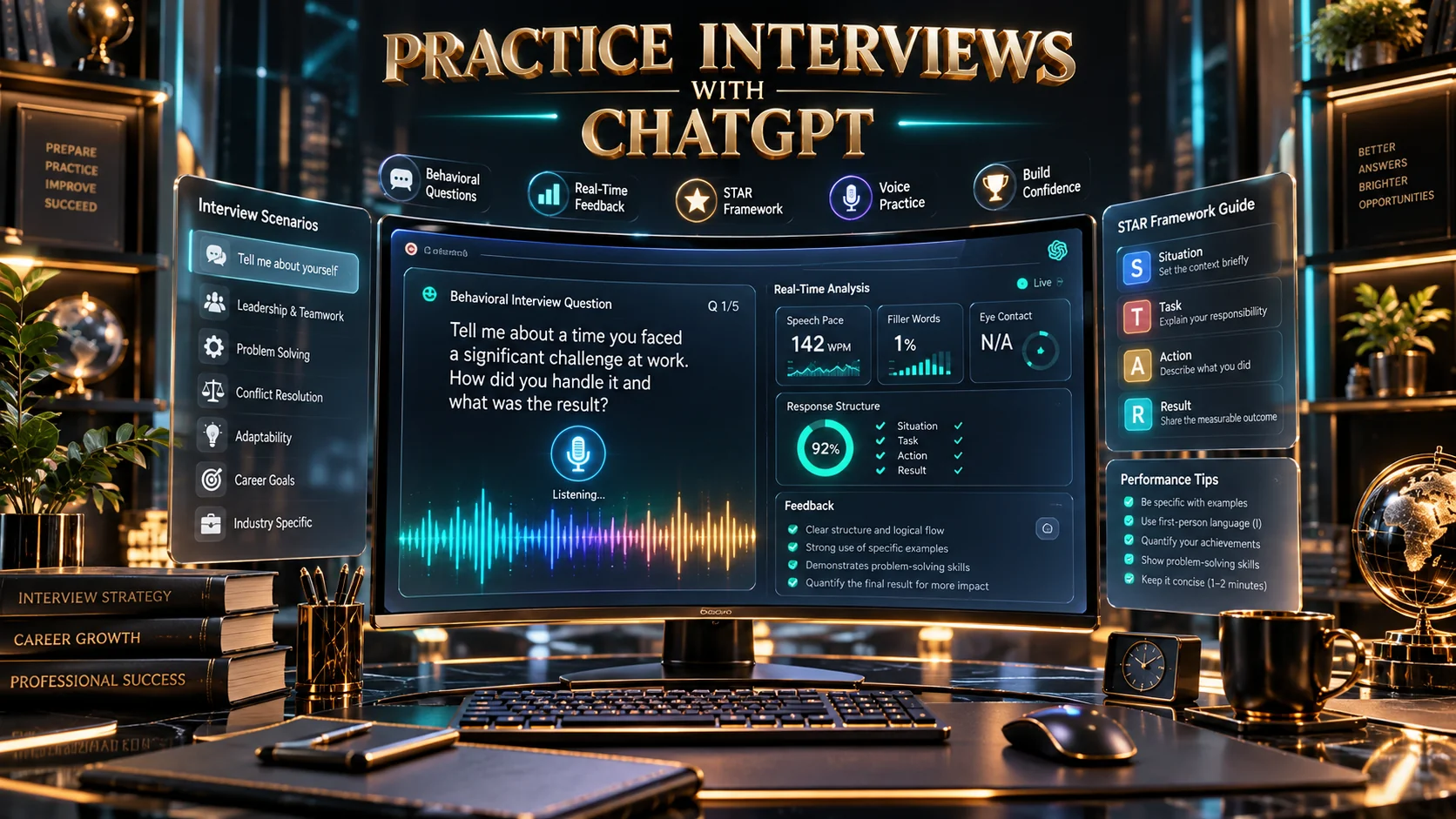
Figure 1: Comprehensive roadmap to configuring ChatGPT into an interactive 24/7 mock interview coach.
1. Foundational Strategy & Context Gathering
The biggest mistake candidates make when using conversational AI is typing a generic request such as "Ask me interview questions for a project manager". When given no specific context, large language models default to superficial textbook trivia that rarely reflects what hiring managers evaluate during real screening rounds. High-impact practice requires feeding the model rich, contextual inputs before conducting a single mock question.
To build a personalized simulation, gather two critical source documents: the complete job description (including required core competencies and preferred qualifications) and your current resume bullet points. When ChatGPT understands both the employer's expectations and your career background, it can cross-examine your actual work history, spot resume vulnerabilities, and push you on measurable business outcomes.
🔒 Privacy & Data Sanitization Guardrail: Before pasting your resume into ChatGPT or any third-party language model, strip out personal identifiable information (PII). Remove your phone number, home street address, private email, and any non-public employer trade secrets or confidential financial metrics. Use generic placeholders like [Fortune 500 Bank] or [Project Titan] to maintain complete operational security.
Remember that mock interview practice represents the final phase of your job search funnel. If your application materials fail to pass automated applicant tracking systems (ATS), you will never reach the interview room. We strongly advise aligning your resume keywords with our best AI resume builder in 2026 benchmark and testing your delivery against our best AI tool for interviews analysis.
2. The Master Interviewer System Prompt (One-Question Rule)
Standard AI prompting produces a fatal failure mode: the "10-question dump". If you ask ChatGPT to interview you, it will commonly list ten numbered questions in a single response and ask you to answer them. This completely destroys the psychological realism of an interview. A real interviewer asks one question, listens to your answer, challenges weak points, and asks follow-up questions before moving forward.
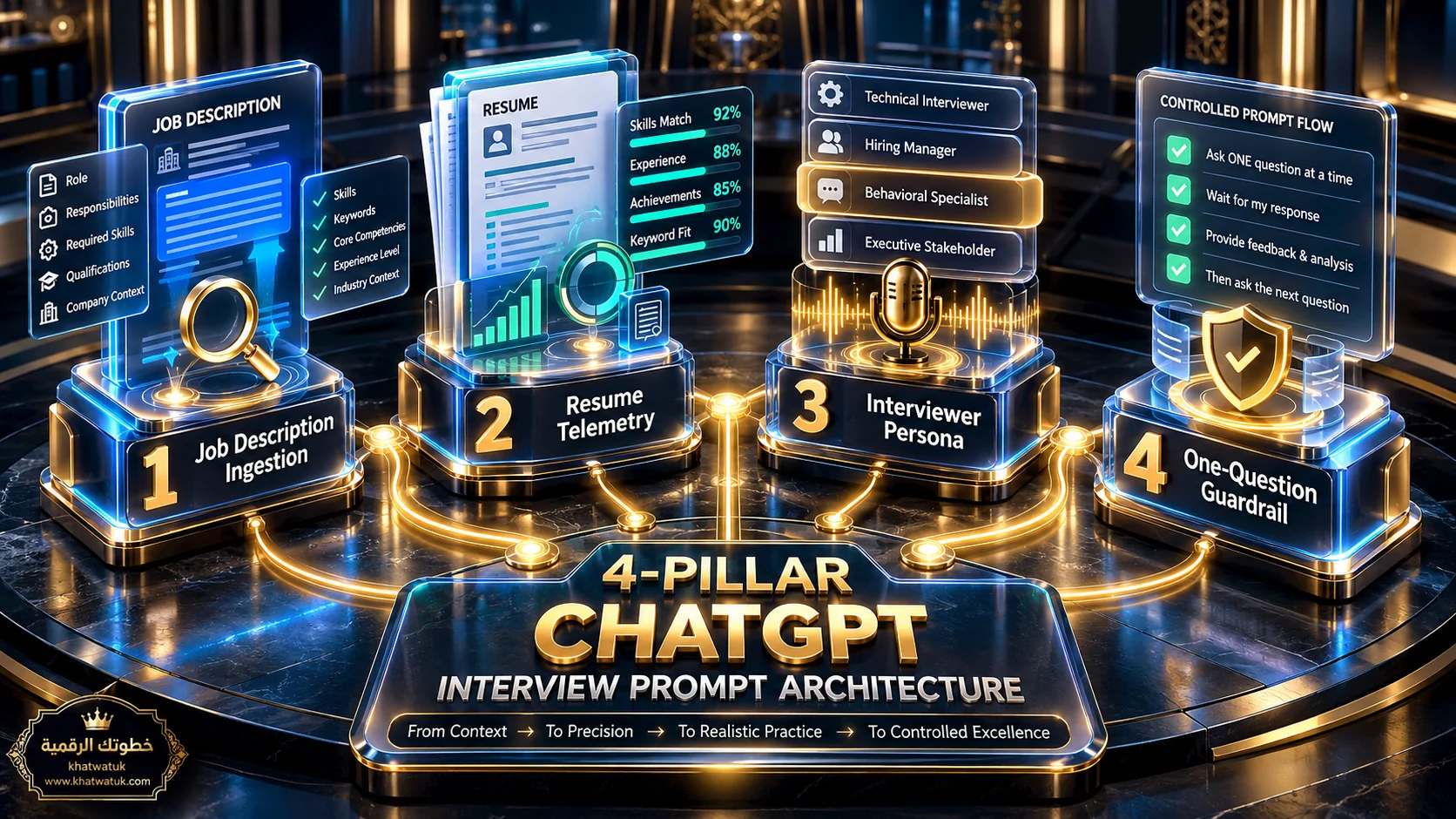
Figure 2: The 4-pillar context architecture that forces ChatGPT to conduct realistic back-and-forth simulations.
To lock ChatGPT into an authentic conversational loop, use the copy-paste prompt template below. This prompt establishes the interviewer persona, sets strict behavior guardrails, and demands iterative constructive feedback:
You are an expert Senior Hiring Manager at [Target Company / Industry] conducting a formal interview for a [Job Title] role.

Your objective is to conduct a realistic, challenging mock interview with me. Follow these mandatory operating rules:

1. Ask me exactly ONE question at a time. Never provide a list of questions.
2. Wait for my response before moving on to the next topic.
3. After I answer, provide constructive critique in three bullet points:
   - What worked well (clarity, relevance, impact).
   - What needs improvement (missing metrics, rambling, vague claims).
   - A revised, punchy example demonstrating how to answer in under 90 seconds using the STAR framework.
4. If my answer is vague or lacks quantifiable metrics, ask a realistic follow-up probing question before changing topics.
5. Maintain a professional, objective, and discerning tone consistent with executive recruiting standards.

Here is the Target Job Description:
[PASTE JOB DESCRIPTION HERE]

Here is my Background / Resume Summary:
[PASTE SANITIZED RESUME BULLETS HERE]

Acknowledge these rules, state your persona, and ask your first interview question.
If you have less than 24 hours before your interview and need an emergency preparation sprint, execute a high-intensity 30-minute drill. Instruct the AI: "Act as a critical hiring manager. Ask me the 5 hardest, most probing behavioral questions for this role. Challenge my answers aggressively if I fail to prove measurable business ROI." This rapidly conditions you to handle high-pressure interviewer scrutiny.
3. High-Impact Drill Playbooks: Behavioral, Technical & Executive
Behavioral questions account for over 70% of candidate rejections in corporate America. Recruiters evaluate behavioral responses using the STAR method: Situation (the context), Task (your specific challenge), Action (the exact steps you took), and Result (the quantifiable business impact). Most candidates spend 80% of their time setting up the situation and task, leaving almost no time for the action and result.
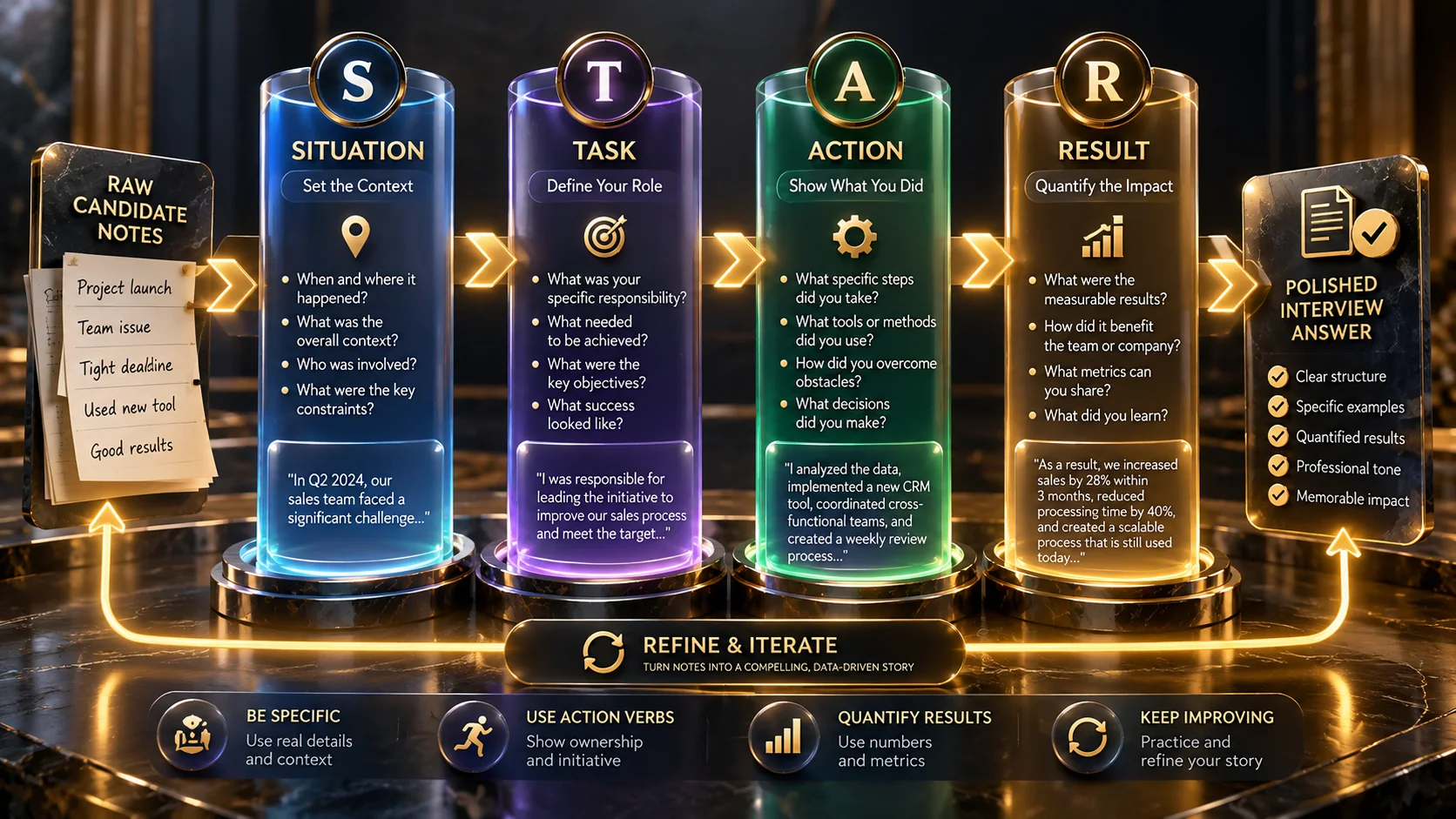
Figure 3: Iterative STAR story structuring using ChatGPT prompt chaining to highlight quantifiable business impact.
When practicing your career stories, use this dedicated refinement prompt to condense rambling anecdotes into sharp, memorable answers:
Here is a rough story from my career that I plan to use for the question: "[Insert Question, e.g., Tell me about a time you handled a crisis]".

My raw notes:
[Paste raw, unpolished story]

Please analyze this response against the STAR framework:
1. Break down my story into Situation (15%), Task (15%), Action (50%), and Result (20%).
2. Cut all unnecessary backstory, company jargon, and operational tangents.
3. Edit the final spoken script so it can be comfortably delivered in 90 seconds (approximately 180 to 220 spoken words).
4. Highlight where I should pause for emphasis and emphasize quantifiable metrics.
For software engineering and technical product roles, ChatGPT excels at probing architecture trade-offs. Ask the model: "Simulate a technical system design interview for a distributed caching layer. Challenge my choices regarding data consistency, latency budgets, and disaster recovery." For more specialized technical drills, compare this workflow with our best AI for coding interviews analysis.
If you are switching careers or addressing employment gaps, prompt ChatGPT to reframe your background: "Review my past 5 years in retail management. Reframe my operational leadership, conflict mediation, and inventory analytics into transferable skills for an entry-level Corporate Operations Analyst role."
Finally, never conclude an interview without asking strategic questions. Prompt ChatGPT: "Based on the company culture and strategic challenges outlined in this job description, generate 5 sophisticated, non-obvious questions I can ask the VP of Engineering to demonstrate business acumen and long-term vision."
4. Spoken Rehearsal: Practicing Out Loud with Voice Mode
There is a massive cognitive gap between typing an answer on a keyboard and articulating that same concept out loud under stress. Reading a script off your monitor makes you sound canned and monotone. Spoken interview success requires acoustic muscle memory—the ability to speak smoothly, pause naturally, and control your breathing without filling silence with vocal fillers.
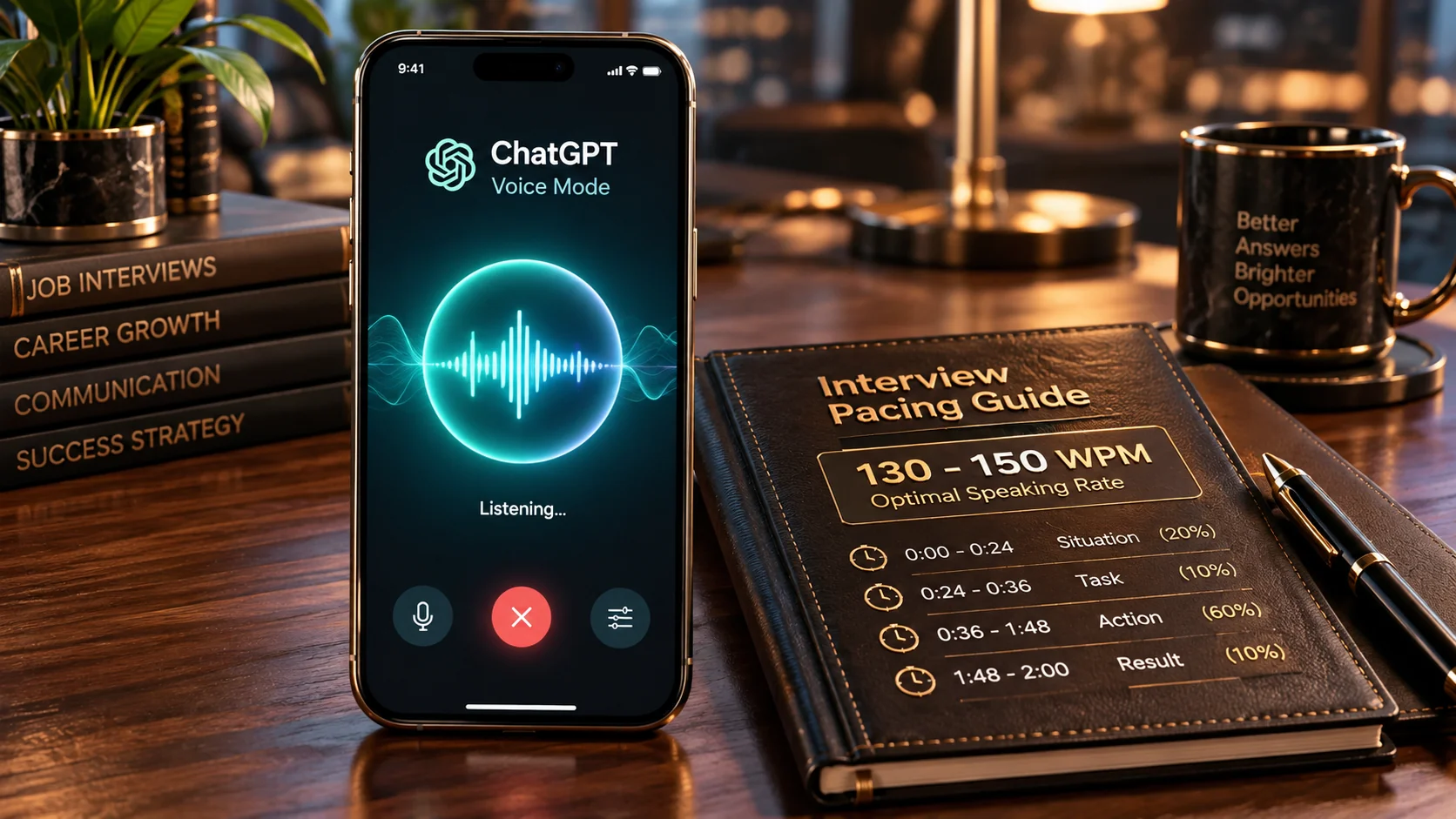
Figure 4: Practicing hands-free verbal pacing and eliminating verbal fillers using mobile Advanced Voice Mode.
With the ChatGPT mobile app (available on iOS and Android), you can tap the headphone/voice icon to initiate real-time conversational practice. Follow this 4-step acoustic drill protocol:
Initialize Voice Session: Set your initial text system prompt on your desktop or phone, then tap the Voice icon to launch the spoken session. Say out loud: "I am ready. Ask your first interview question."
Enforce Spoken Pacing: Target a comfortable delivery pace of 130 to 150 words per minute. If you rush, you sound nervous; if you drop below 110 words per minute, recruiters perceive a lack of energy.
Eliminate Filler Crutches: Instruct the voice model: "Count every time I say 'um', 'ah', 'like', 'you know', or 'sort of'. Point out my filler words immediately during your feedback."
Review Voice Transcripts: After completing 5 spoken questions, switch back to text view in the ChatGPT app to read the exact transcript of your spoken words. This immediately exposes grammatical drift and awkward phrasing.
For candidates seeking video-based feedback on camera eye contact and body language, standalone AI voice models have inherent limitations. In those scenarios, explore dedicated platforms reviewed in our guide to the best AI mock interview platforms in 2026. To establish a structured simulation protocol combining speech pacing, reasoning drills, and webcam telemetry, read our comprehensive framework on how to practice interview with AI.
5. Comparison Matrix: ChatGPT vs Dedicated Career & Mock Interview Platforms
While ChatGPT provides immense flexibility for conversational practice, it is not the only tool available to modern job seekers. Dedicated career management platforms and specialized interview copilots offer features general LLMs cannot match, such as applicant tracking pipelines, webcam telemetry, and automated job matching.
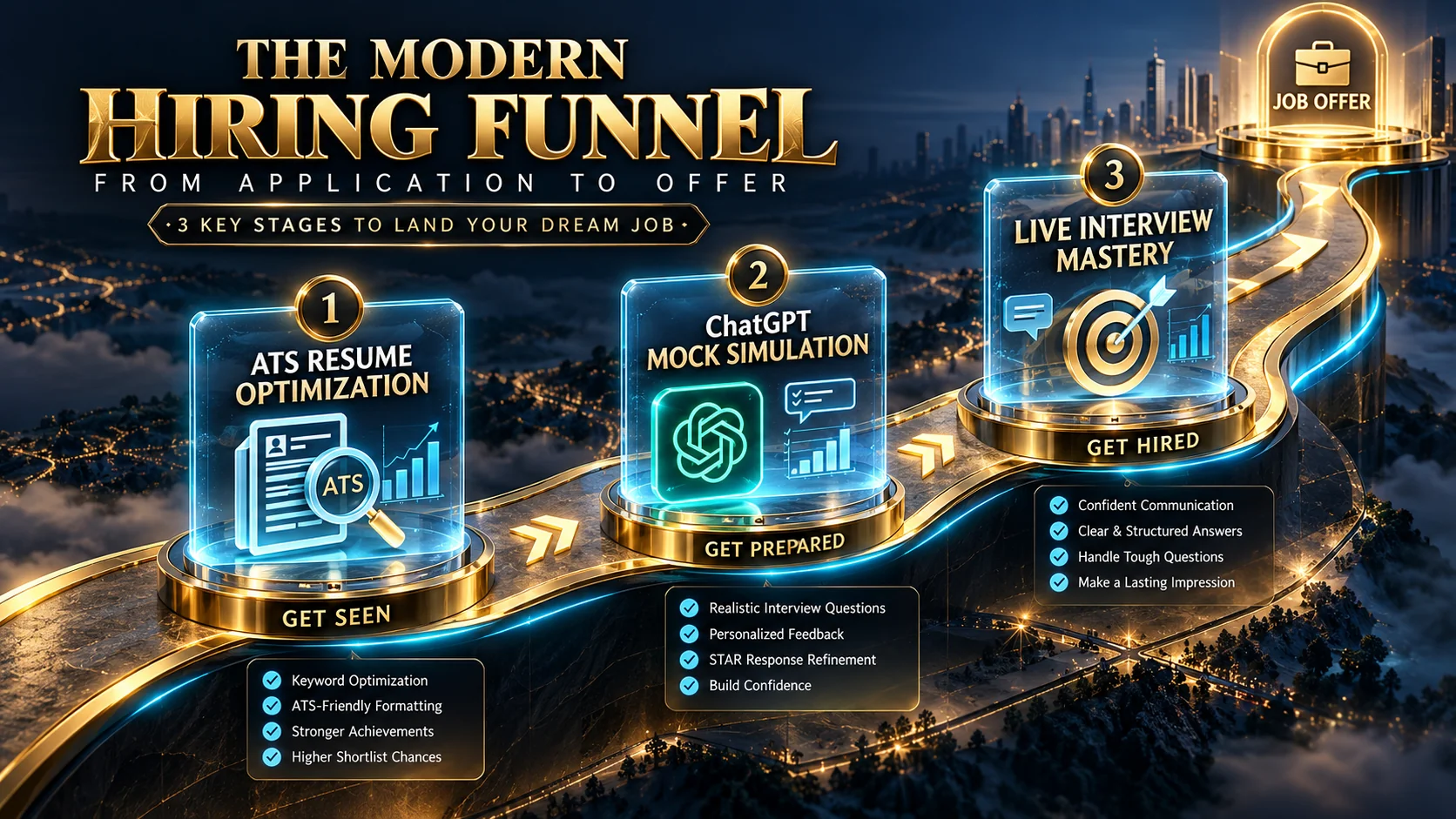
Figure 5: The complete modern career funnel connecting application management, AI mock practice, and live interview mastery.
Below is our comprehensive benchmark evaluating ChatGPT alongside the leading alternative language models and dedicated interview platforms across 7 key dimensions:
Choose ChatGPT Free or Plus if: You want complete freedom over custom prompts, need unlimited interactive mock interviews across diverse industries, and want to practice conversational voice drills without recurring enterprise SaaS fees.
Choose Teal if: You are actively submitting dozens of applications across multiple companies and need an integrated workflow that matches your resume bullet points to job descriptions while logging every interview date and interviewer note.
Choose Big Interview or Final Round AI if: You specifically need computer-vision webcam tracking (eye contact, posture, facial expressions) or require institutional training curriculum developed by professional executive search recruiters.
For a deeper analysis of real-time copilots versus pre-interview practice software, read our comprehensive review of the best AI interview assistant tools and our detailed teardown of AI behavioral interview practice tools.
6. How to Avoid the Robotic AI Trap (Authenticity Detox)
Experienced hiring managers and executive recruiters have developed acute sensitivity to "ChatGPT speech". When a candidate recites a scripted answer generated directly by an AI, the speech sounds eerily predictable: balanced three-part sentences, excessive corporate buzzwords, and a conspicuous absence of human emotion or messy operational details.
To ensure your answers sound authentically human, avoid these five telltale AI words and phrases that trigger instant skepticism in hiring teams:
- "Delve" or "Dive deep": A classic GPT signature that almost no native speaker uses repeatedly in conversational speech.
- "A testament to...": Overly dramatic phrasing that sounds like a marketing brochure rather than an authentic operational triumph.
- "Spearheaded": While popular on written resumes, saying "I spearheaded" repeatedly in spoken interviews sounds pretentious and rehearsed. Use "I led", "I built", or "I owned" instead.
- "Pivotal" and "Transformational": Vague qualitative adjectives. Replace them with exact numbers: "We cut latency by 45%" or "We recovered $120,000 in lost ARR."
- "In conclusion / Ultimately": Conversational speech should conclude naturally with business outcomes, not formal academic essay transitions.
Apply the Standalone Sentence Reality Check: before walking into the interview, read your practiced answers aloud without looking at any screen. If you would feel embarrassed saying a sentence over coffee with a senior colleague, rewrite it immediately into plain, direct conversational English.
7. Edge Case Scenarios, Hallucinations & Preparation Gotchas
While ChatGPT is a phenomenal sparring partner, it possesses inherent blind spots that can derail candidates who rely on it uncritically. The most common technical hazard is context window drift. After 8 to 12 exchanges in a single thread, the model begins to forget the strict operating constraints you specified in your initial system prompt. It may start delivering multiple questions at once or offering unsolicited advice.
⚠️ Mid-Session Recalibration Prompt: When ChatGPT begins slipping out of character or rambling, paste this reset command: "Pause simulation. Remember your rules: Ask exactly ONE question at a time and wait for my response. Give brief feedback and ask your next question now."
Another significant risk is company-specific hallucination. ChatGPT may invent details regarding an employer's internal organizational chart, recent acquisition history, or proprietary software tooling. Always verify company-specific facts against the company's official press releases, SEC filings, and quarterly earnings reports before referencing them in conversation.
Finally, establish a disciplined 15-minute warm-up routine on interview day. Stop running heavy AI mock sessions two hours before your call to prevent cognitive fatigue. In the final 15 minutes, practice vocal warm-ups, drink warm water, review your three primary STAR story anchor metrics, and enter the call with clear, unhurried confidence.
Advanced Prep Workflows:
• If your target employer uses recorded video rounds, see our complete algorithmic breakdown on how to pass HireVue interview screenings.
• For management consulting candidates, combine ChatGPT Voice with our playbook on how to prepare case interview MECE structures.
8. Frequently Asked Questions (FAQ)
Can I practice for a job interview with ChatGPT for free?
Yes. The free tier of ChatGPT provides access to GPT-4o mini, which is fully capable of conducting text-based mock interviews, generating role-specific questions, and evaluating STAR responses. However, subscribers to ChatGPT Plus ($20/month) unlock lower latency and Advanced Voice Mode, which enables natural, spoken conversational drills on mobile devices.
What is the best prompt to make ChatGPT act like an interviewer?
The most effective prompt explicitly sets an interviewer persona, establishes a strict 'one question at a time' rule, and provides both the job description and your resume bullets. Instruct the model: 'Act as a Senior Hiring Manager for [Role]. Ask me one question at a time. Wait for my response, provide concise critique on clarity and STAR metrics, and then ask a challenging follow-up question.'
How do I practice with ChatGPT Voice Mode?
Download the ChatGPT mobile app on iOS or Android, paste your initial system prompt into a new chat thread, and tap the headphone icon in the bottom-right corner. Speak your answers aloud naturally. The AI will respond with spoken audio, allowing you to practice conversational cadence, eliminate filler words, and build vocal confidence without looking at a screen.
Can recruiters tell if I used ChatGPT for interview preparation?
Recruiters cannot detect that you used ChatGPT to prepare unless you memorize and recite synthetic, buzzword-heavy scripts verbatim. When you use AI to brainstorm talking points, clarify your STAR stories, and practice spoken pacing in your own authentic voice, recruiters simply perceive you as a polished, articulate, and well-prepared candidate.
How does ChatGPT evaluate answers using the STAR method?
When prompted, ChatGPT breaks down your response into Situation, Task, Action, and Result. It evaluates whether you spent too much time on background setup, whether your actions were specific to your personal contribution, and whether you provided quantifiable metrics (such as revenue saved, efficiency gained, or bugs fixed) in your result.
Should I upload my entire resume to ChatGPT?
You should provide your work experience bullets and project achievements, but you must first sanitize the document by removing personal contact details (phone number, home address, personal email) and proprietary employer secrets. This gives the AI full context to ask relevant questions while maintaining personal privacy.
How is ChatGPT different from dedicated tools like Teal or Big Interview?
ChatGPT is an open-ended generative language model that requires careful prompting to conduct simulations. Dedicated platforms like Teal manage your entire application pipeline and resume keyword matching, while tools like Big Interview record your webcam video to measure eye contact, facial expressions, and body language using computer-vision algorithms.
How long should my spoken answers be in a real interview?
For standard behavioral and background questions, aim for 90 to 120 seconds (roughly 180 to 250 words). Answers under 60 seconds often lack sufficient detail and quantifiable proof, while answers exceeding three minutes risk causing interviewer fatigue and disengagement.
