

To learn how to pass HireVue interview assessments in 2026, candidates must understand that modern AI evaluations rely on Automatic Speech Recognition (ASR) competency matching rather than facial recognition or emotional micro-expressions. Passing requires deconstructing prompts within the 30-second preparation window, maintaining a conversational speech cadence between 130 and 155 words per minute, and structuring answers using a strictly budgeted 90-second STAR framework. By mastering both machine transcription signals and the qualitative expectations of human recruiters who review finalist recordings, you can systematically advance past the automated digital screen.
Quick Verdict: How to Pass HireVue at a Glance
The single biggest misconception among job seekers is that HireVue evaluates visual emotion or eye blink frequency. Independent algorithmic audits confirmed that HireVue discontinued facial analysis models. Modern success hinges on three measurable execution pillars:
- The 3-Word Mental Anchor: Avoid writing paragraphs during the 30-second countdown; jot down only your Action verb, quantitative Metric, and Resolution to prevent lateral eye drift.
- Acoustic Telemetry: Keep your speaking pace between 130 and 155 words per minute with under 2% filler word density to ensure the lowest Word Error Rate (WER) during automated transcription.
- The 90-Second STAR Ratio: Allocate 15 seconds to Situation/Task, 55 seconds to personal Action, and 20 seconds to measurable Results with a 3-second buffer before the cutoff.
Table of Contents
- How the HireVue AI Algorithm Actually Evaluates You in 2026
- The 30-Second Countdown: Step-by-Step Thinking Window Protocol
- The 90-Second STAR Answer Architecture (Time Budgeted to the Second)
- Conquering HireVue Question Formats: Video Prompts, Scenarios & Games
- 7 Best Rehearsal Tools for HireVue Simulation & Interview Mastery
- Comprehensive Comparison Matrix: 7 HireVue Practice & Career Tools
- 5 Critical HireVue Traps & Mistakes That Lead to Rejection
- Frequently Asked Questions (HireVue Candidate FAQ)
1. How the HireVue AI Algorithm Actually Evaluates You in 2026
For years, online forums and viral videos claimed that HireVue used artificial intelligence to track involuntary facial twitches, evaluate smile frequency, and measure micro-expressions. In reality, following rigorous third-party algorithmic bias audits and regulatory scrutiny, HireVue officially decommissioned all visual emotion and facial expression AI models. Understanding how the platform operates today is the foundation of preparing effectively.
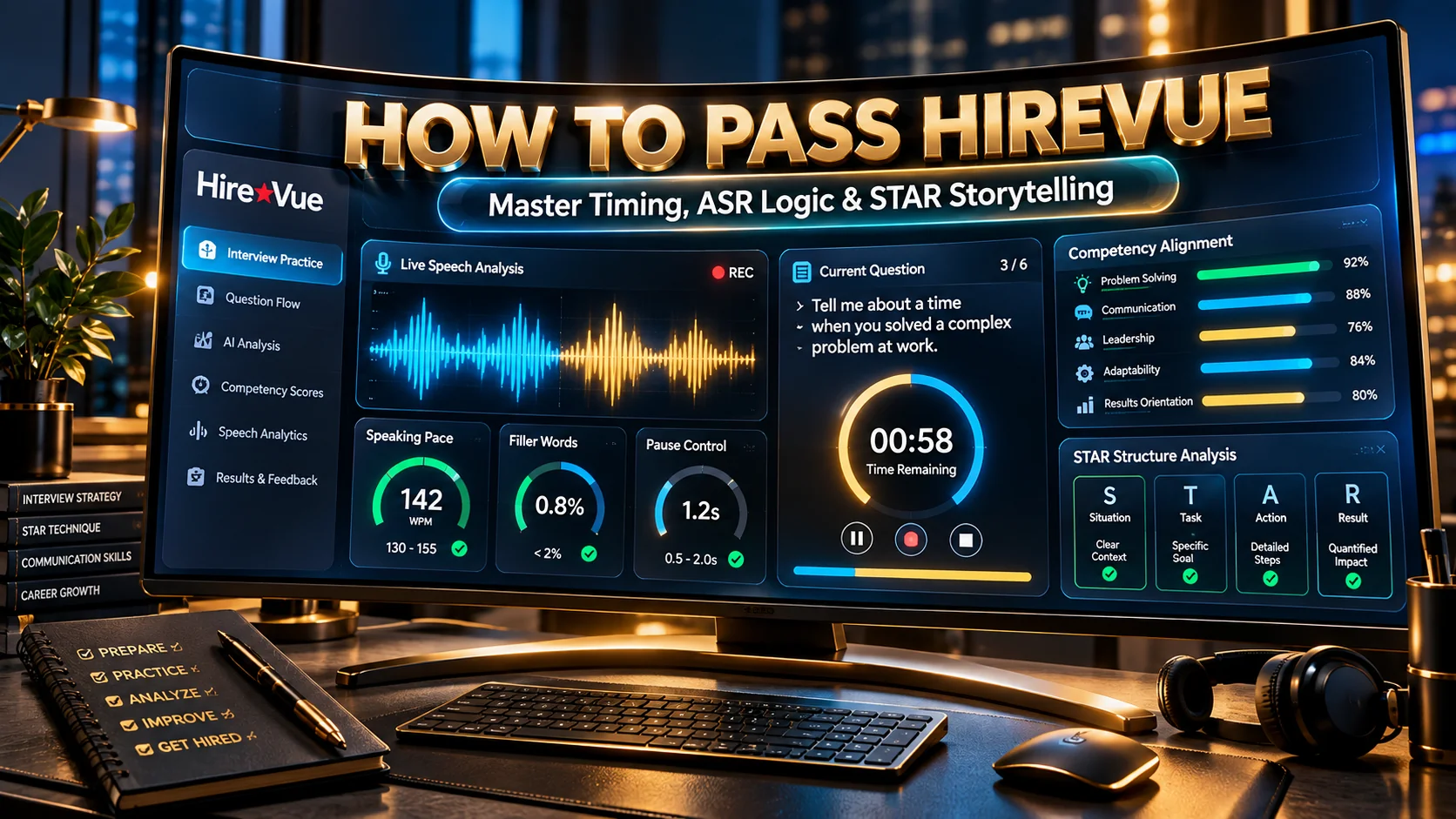
Figure 1: The modern HireVue evaluation terminal parsing candidate acoustic telemetry and competency rubrics.
In 2026, HireVue on-demand video screening functions primarily through an enterprise pipeline composed of three distinct technical layers:
Layer 1: Automatic Speech Recognition (ASR) Transcription
When you record your response, your audio track is fed into an ASR engine that converts spoken words into a clean text transcript. Factors such as microphone static, background ambient reverb, and aggressive mumbling degrade transcription accuracy. If the ASR engine misinterprets your vocabulary, your competency score drops before a human ever hears your voice.
Layer 2: Natural Language Processing (NLP) Competency Scoring
Once transcribed, NLP models analyze your response against an employer-configured competency model. The algorithm scans for behavioral competencies specific to the job requisition, such as cross-functional leadership, quantitative problem-solving, stakeholder communication, and resilience under deadline pressure. Action verbs linked directly to measurable outcomes trigger the highest algorithmic weighting.
Layer 3: Human Recruiter Review & Recommendation Tiers
HireVue does not make automated rejection or hiring decisions on its own. Instead, it generates a candidate recommendation tier (e.g., High, Medium, Low) that determines the order in which human recruiters review submitted videos. Human recruiters watch finalist recordings to verify cultural fit, executive poise, and clarity of thought. You must satisfy the machine algorithm to get reviewed, but you must persuade the human recruiter to get hired.
Furthermore, candidates must recognize that platform settings are customized by the hiring employer. While some global investment banks (such as Goldman Sachs or J.P. Morgan) configure strict 30-second prep countdowns with zero retakes, consumer goods firms (like Unilever) often permit 60-second prep windows or allow one retake per question. Verifying the specific instructions in your interview invitation email prevents high-stress surprises during your live session.
2. The 30-Second Countdown: Step-by-Step Thinking Window Protocol
The most stressful phase of any HireVue assessment is the 30-second countdown timer that activates the moment a prompt appears on screen. Unprepared candidates panic, furiously jotting down full sentences on scrap paper. This leads to disaster: when the red recording light engages, their eyes drop downward, reading awkwardly from their desk while their delivery sounds rigid and disconnected.
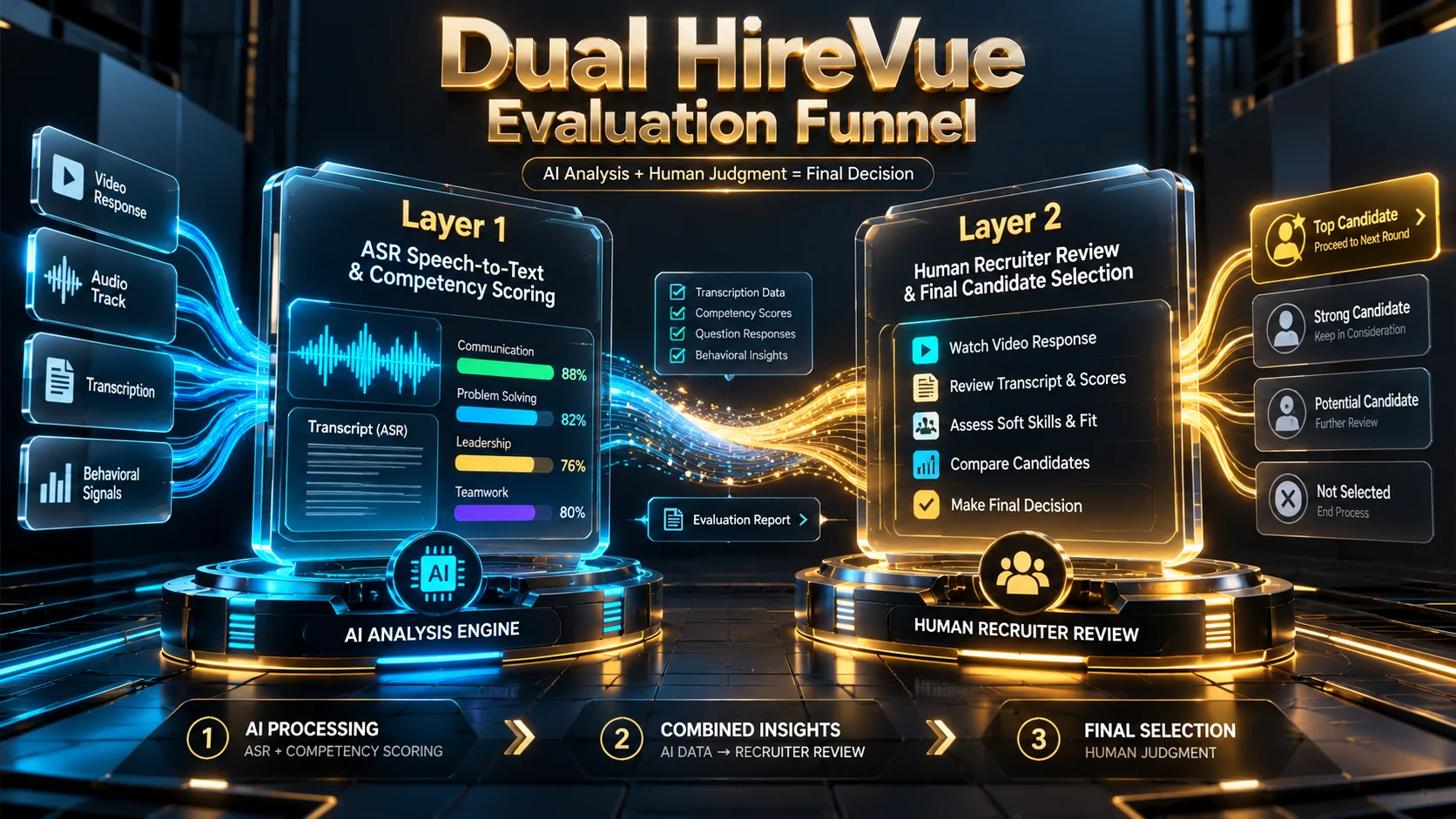
Figure 2: The dual-layer evaluation pipeline separating automated transcript parsing from human finalist review.
To conquer the preparation window, implement our field-tested 3-Word Mental Anchor Framework:
Read the prompt and immediately identify the underlying competency being tested. If the question asks, "Tell me about a time you faced conflicting priorities," the target competency is prioritization and executive stakeholder diplomacy—not operational multitasking.
On a small notepad placed directly beside your webcam lens, write exactly three words: (1) your primary Action verb, (2) your quantitative Metric, and (3) your Resolution outcome. For example: "Automated | $240K | Delivered". These three anchors prompt your working memory without forcing you to read full sentences.
Formulate your exact first sentence silently: "A defining example of managing high-stakes conflicting priorities occurred when I led our platform database migration." Fix your gaze directly into the webcam lens, take a calm breath, and wait for the recording indicator to turn solid red.
Maintaining organized records of job requirements, keywords, and role-specific competencies across multiple applications is essential to deploying the right story anchors during timed interviews.
3. The 90-Second STAR Answer Architecture (Time Budgeted to the Second)
In a traditional live interview, human interviewers provide visual feedback—nodding, smiling, or interjecting—when an answer is sufficiently detailed. On HireVue, you speak to an unblinking digital interface with a strict automated countdown. If you ramble, the system terminates recording mid-sentence, cutting off your results and penalizing your score.
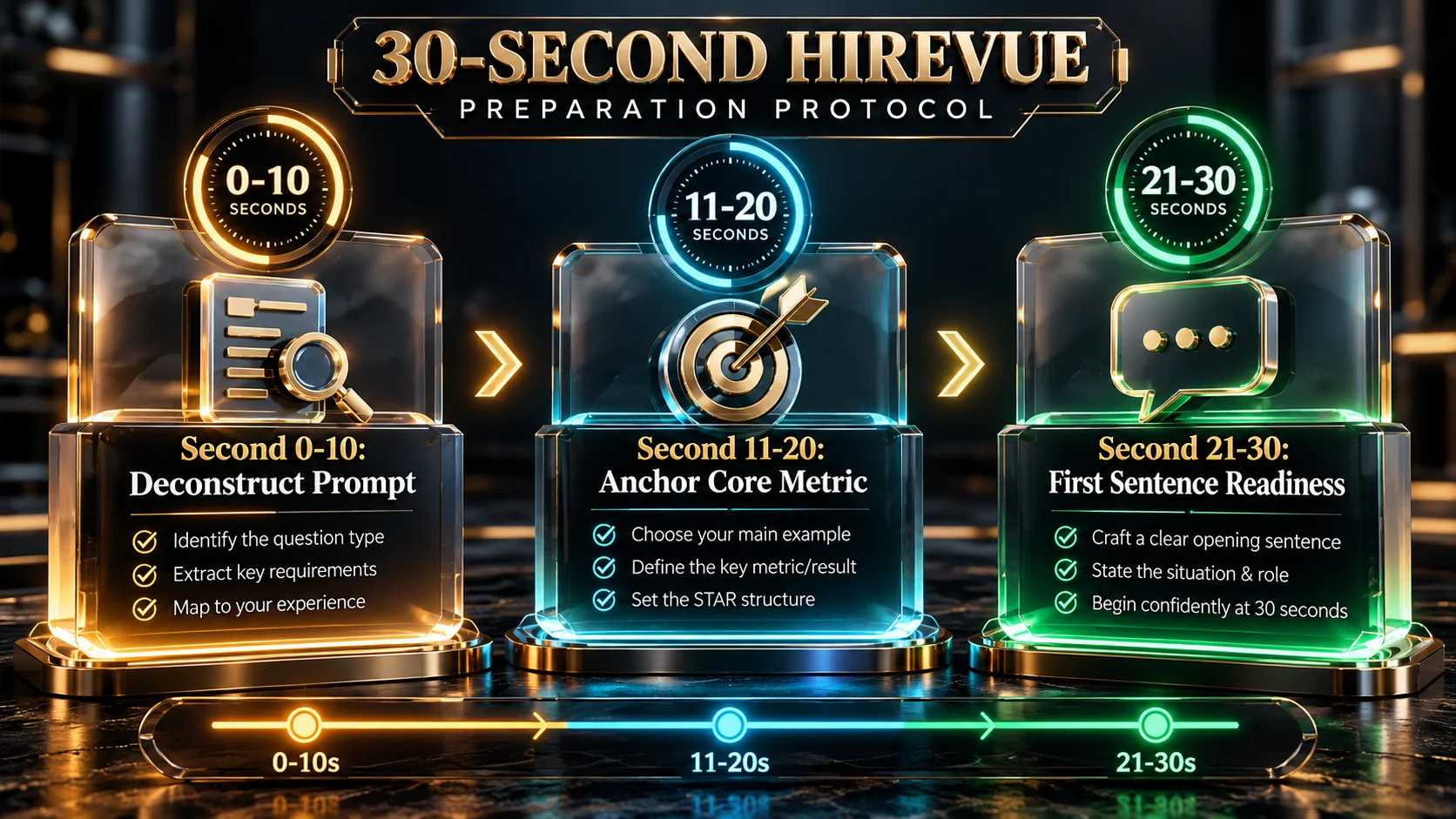
Figure 3: The rapid 30-second preparation countdown dividing deconstruction, anchoring, and eye-line locking.
To achieve maximum competency density while ensuring complete delivery, structure your responses using our 90-Second STAR Time Budget:
Establish context quickly. State the organization, role, and overarching operational challenge in two crisp sentences.
Define your exact personal responsibility and the specific metric or constraint you were held accountable for delivering.
The highest-weighted scoring section. Explain the specific methodologies, tools, and cross-functional steps YOU took.
Deliver the quantitative punchline (revenue, efficiency %, time saved) with a 3-second buffer before the timer expires.
Maintaining a disciplined verbal cadence is vital. Speech telemetry research shows that candidates delivering between 130 and 155 words per minute project calm executive authority while providing automated speech recognition models with pristine phoneme separation. Speaking faster than 170 WPM causes transcription degradation, while dropping below 110 WPM makes you appear hesitant.
To test your delivery across similar AI behavioral simulators, explore our hands-on evaluation of the best AI tools for behavioral interview practice.
4. Conquering HireVue Question Formats: Video Prompts, Scenarios & Games
Modern HireVue assessments are rarely homogeneous. Depending on the industry and role seniority, employers select from three distinct assessment modules:
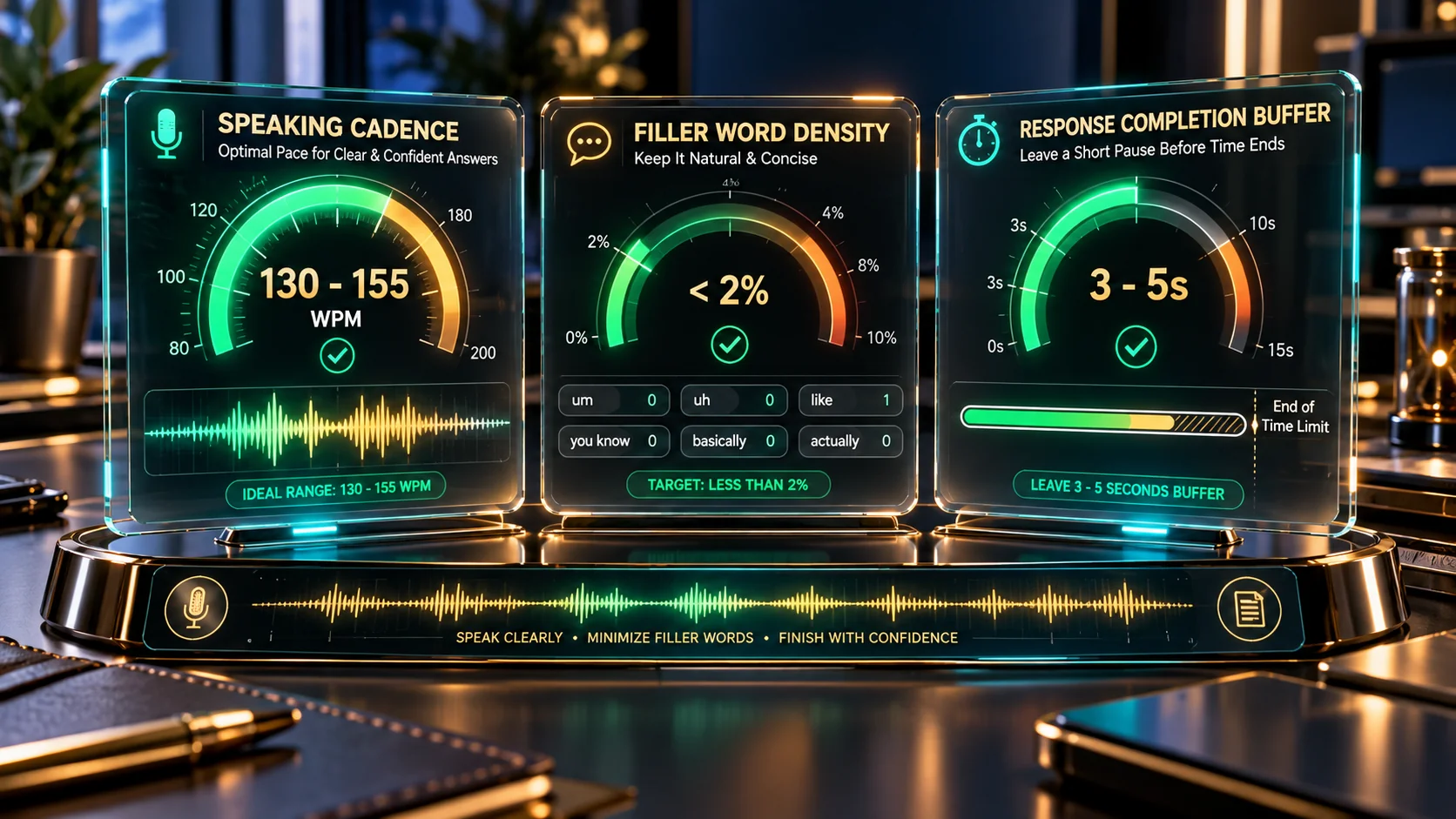
Figure 4: Acoustic telemetry targets including cadence pacing, filler word minimization, and buffer timing.
These prompt you to demonstrate past competencies. Common examples include: "Why are you interested in this role at our organization?", "Describe a time you navigated an ambiguous project directive," and "How do you handle disagreement with a cross-functional peer?" Always ground these in the 90-second STAR format.
Frequently used in consulting, software engineering, and corporate finance. Prompts may present a miniature business case or code snippet and provide 90 to 180 seconds of preparation. Focus on top-down communication: state your hypothesis or proposed architecture first, followed by your structured supporting logic.
Some enterprise employers supplement video interviews with interactive mini-games designed by psychometricians. These games evaluate working memory (e.g., Digit Span sequencing), risk tolerance (e.g., Balloon Risk inflating games), and pattern recognition. The key is consistent, focused gameplay without second-guessing or attempting to manipulate the algorithm.
5. 7 Best Rehearsal Tools for HireVue Simulation & Interview Mastery
To build conversational fluency under timer constraints, relying solely on unrecorded mirror practice is insufficient. Below are 7 leading tools to simulate asynchronous video interviews, track acoustic telemetry, and refine competency alignment:
1. Teal (Career Management & Keyword Alignment)
Category: Career Suite & Resume Optimization | Pricing: Free tier / $9/week Teal+
While not an asynchronous video recorder, Teal is the essential foundation for HireVue preparation. Its Chrome extension and resume analysis engine identify the exact competency keywords embedded in the target job posting. Mastering these keywords in your written resume ensures your spoken answers seamlessly reflect the linguistic tokens HireVue's NLP models scan for.
2. Yoodli AI (Speech Telemetry & Pacing Coach)
Category: Speech Telemetry & Communication AI | Pricing: Free tier / $12/month
Yoodli is the premier acoustic rehearsal platform for asynchronous video candidates. It records your spoken drills and provides real-time telemetry metrics: exact speaking pace (WPM), filler word counts ('um', 'ah', 'like'), weak phrasing flags, and eye contact tracking. Practicing on Yoodli eliminates verbal crutches before your live HireVue recording.
3. Big Interview (Enterprise Video Simulation Suite)
Category: Asynchronous Video Mock Platform | Pricing: $79/month or University License
Big Interview closely mirrors the actual HireVue user interface. It serves video questions with customized preparation timers and recording cutoffs. Widely licensed across top university career centers, it features specialized curriculum modules for investment banking, healthcare, and consulting asynchronous interviews.
4. Final Round AI (Scenario Simulation & Video Review)
Category: AI Interview Copilot & Mock Suite | Pricing: $39/week to $149/month
Final Round AI offers simulated mock interview sessions powered by advanced LLMs that analyze candidate STAR structure. While its live copilot features are not designed for asynchronous video rounds, its post-recording analytical reports highlight missing competency metrics with exceptional precision.
5. Google Interview Warmup (Free Asynchronous Audio Practice)
Category: Free Asynchronous Speech Tool | Pricing: 100% Free
Google's free Interview Warmup platform provides a zero-friction way to experience automated speech transcription. As you speak your answers into your microphone, Google transcribes your speech in real time, highlighting your most frequently used terms, job-specific vocabulary, and talking points.
6. ChatGPT Voice Mode (Interactive Conversational Drills)
Category: Conversational LLM Audio Coach | Pricing: Free / $20/month Plus
Using mobile Advanced Voice Mode, you can prompt ChatGPT to act as a strict HireVue screening interviewer. Instruct the model: "Ask me one behavioral question at a time. Enforce a 90-second limit and critique my response strictly on STAR metrics." For comprehensive prompt setups, read our guide on how to practice interview with ChatGPT.
7. Rezi (ATS Resume & Competency Structuring)
Category: ATS Resume Optimization | Pricing: Free tier / $29/month Pro
Rezi structures your career accomplishments into quantitative bullet points using proprietary ATS-friendly formatting. Aligning your resume accomplishments in Rezi gives you a ready-made story bank of measurable results to recite confidently during your HireVue recording.
To choose the right preparation stack based on your timeline and budget: Choose Teal and Rezi if you need to extract keywords and align your career stories; choose Yoodli if your primary weakness is verbal cadence and filler words; choose Big Interview if you require authentic timed video interface simulation; and choose Google Warmup if you want free speech transcription analysis.
6. Comprehensive Comparison Matrix: 7 HireVue Practice & Career Tools
Below is our multi-factor benchmark evaluating the 7 leading career and interview tools across primary capabilities, pricing, and suitability for on-demand video rehearsal:
To ensure your career stories and quantitative achievements are thoroughly documented before recording, use an automated resume optimizer to refine your metrics.
7. 5 Critical HireVue Traps & Mistakes That Lead to Rejection
Even well-qualified candidates frequently fail their first HireVue screening due to preventable mechanical errors. Avoid these five critical failure modes:
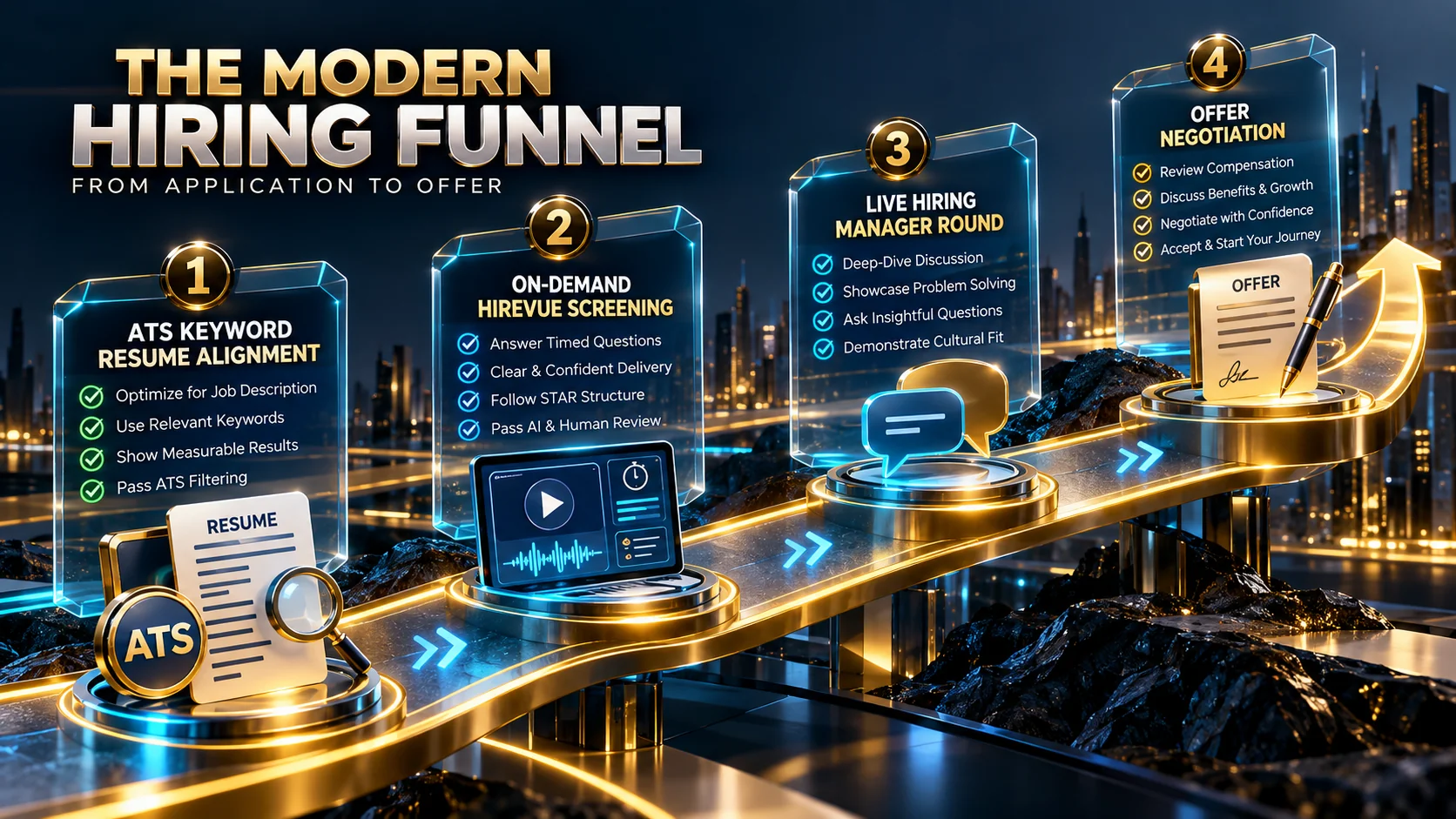
Figure 5: The complete career progression from ATS keyword targeting to on-demand video mastery.
Taping a detailed script to your screen causes rapid horizontal eye movements (saccades) as you read across lines. When human recruiters watch your video, the lack of authentic engagement and robotic monotone delivery instantly leads to disqualification. Speak from 3-word bullet anchors instead.
Over 70% of candidate answers spend 80 seconds explaining the Situation and Task, only to rush the Result in 5 seconds or get cut off entirely. The Result is where the algorithm and the recruiter evaluate your business impact. State your numbers clearly: percentage gains, revenue generated, or time saved.
Relying on built-in laptop microphones in empty rooms with bare walls creates hollow acoustic reverberation. This dramatically increases the Word Error Rate (WER) of the automated speech recognition engine. Use a wired headset or external USB microphone in a carpeted, furnished room.
Adrenaline causes candidates to rush their speech, exceeding 170 words per minute. This blurs phonemes and makes structured reasoning impossible to track. Conversely, pausing excessively drops delivery below 110 WPM. Rehearse with speech trackers to lock in your 130-155 WPM sweet spot.
If your employer allows 1 retake, do not burn it simply because you hesitated or stumbled on a single word. Stumbling slightly is human and recruiters expect it. Save your retake strictly for severe technical malfunctions or complete mental blanks. Second takes are frequently more rushed and anxious than first takes.
To build complete foundational interview readiness from initial resume optimization to multi-modal rehearsal, examine our cornerstone analysis in the Best AI Resume Builder in 2026 guide, or explore comprehensive video practice techniques in our review of the best AI mock interview platforms.
If your corporate screening round includes business scenario mini-cases, expand your analytical structuring with our comprehensive master guide on how to prepare case interview frameworks and mental math shortcuts.
8. Frequently Asked Questions (HireVue Candidate FAQ)
How do you pass a HireVue interview?
To pass a HireVue interview, focus on delivering structured STAR responses that directly match the target job competencies. Deconstruct the prompt during the 30-second preparation window using 3-word mental anchors, speak at a controlled pace of 130 to 155 words per minute, and ensure your results are supported by measurable quantitative metrics before the recording timer terminates.
Does HireVue really grade your facial expressions or eye contact?
No. HireVue officially discontinued facial expression and micro-movement analysis following third-party algorithmic audits. Today, the automated algorithm scores your spoken transcript using Automatic Speech Recognition (ASR) and Natural Language Processing (NLP) against job competencies. However, human recruiters will watch your video recording if you rank highly, making natural eye contact into the webcam lens vital for human evaluation.
What is the 30-second prep rule in HireVue?
The 30-second prep window is the time allocated between when a question appears on screen and when recording begins automatically. Do not attempt to write full sentences. Spend the first 10 seconds identifying the target competency, the next 10 seconds writing 3 key memory anchors (Action verb, Metric, Resolution), and the final 10 seconds locking your eye line onto the camera lens.
Can you retake a HireVue question if you make a mistake?
Retake permissions are determined entirely by the employer. Some companies allow 1 retake per question, while others permit 0 retakes. Check your initial invitation screen during the platform system test. If retakes are enabled, use them only for severe technical interruptions or complete mental blanks—never for minor verbal hesitations.
Do human recruiters actually watch all HireVue recordings?
Human recruiters typically watch the recordings of candidates who score in the top recommendation tiers based on automated competency matching. For high-volume roles, recruiters may not watch every recording from lower scoring tiers. Passing the automated speech-to-text scoring ensures your video reaches the recruiter's shortlist.
