

Mastering how to practice interview with ai requires building a 360-degree rehearsal routine that connects three distinct technology layers: conversational reasoning for logic, speech analytics for vocal pacing, and video tracking for virtual camera presence. By feeding your sanitized target job description and tailored resume achievements into high-reasoning models using a strict one-question-at-a-time Socratic rule, rehearsing out loud to hit optimal cadence benchmarks (130–155 words per minute), and grading answers against the STAR framework (Situation, Task, Action, Result), you transform artificial intelligence into a personal, 24/7 hiring committee that eliminates verbal hesitation and builds genuine conversational confidence.
💡 Quick Verdict: Practicing for a job interview with AI yields maximum ROI when you move beyond silent keyboard typing. For true interview mastery, combine high-reasoning LLMs (ChatGPT or Claude) for Socratic behavioral roleplay with speech coaches like Yoodli or Google Interview Warmup to eliminate filler words, keep verbal answers under 90 seconds, and align your resume bullets with verified ATS standards before stepping into live screening rounds.
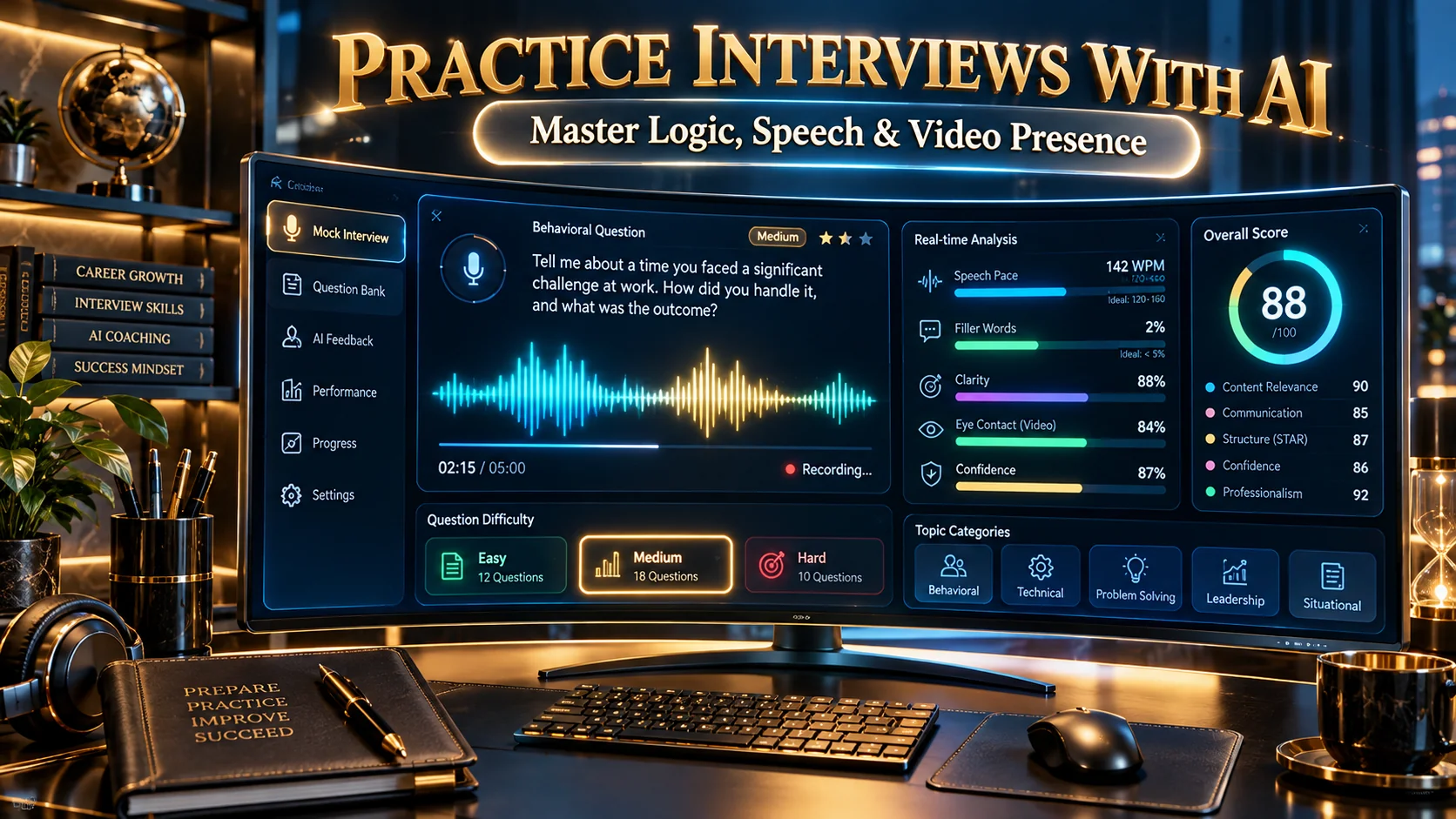
Figure 1: The 360-degree architectural blueprint for conducting interactive mock interview simulations with multi-modal AI.
1. The 360° Multi-Modal AI Practice Stack (Logic, Speech & Video)
Most job candidates approach AI interview preparation with a severe handicap: they treat large language models as text-only question generators. Typing an answer into a chatbot window engages the prefrontal cortex in a slow, analytical writing mode. Real interviews, however, require instantaneous auditory comprehension, verbal speech retrieval under adrenaline, and controlled non-verbal physical presence. When candidates only practice via text, they experience severe cognitive dissonance the moment a real hiring manager looks them in the eye.
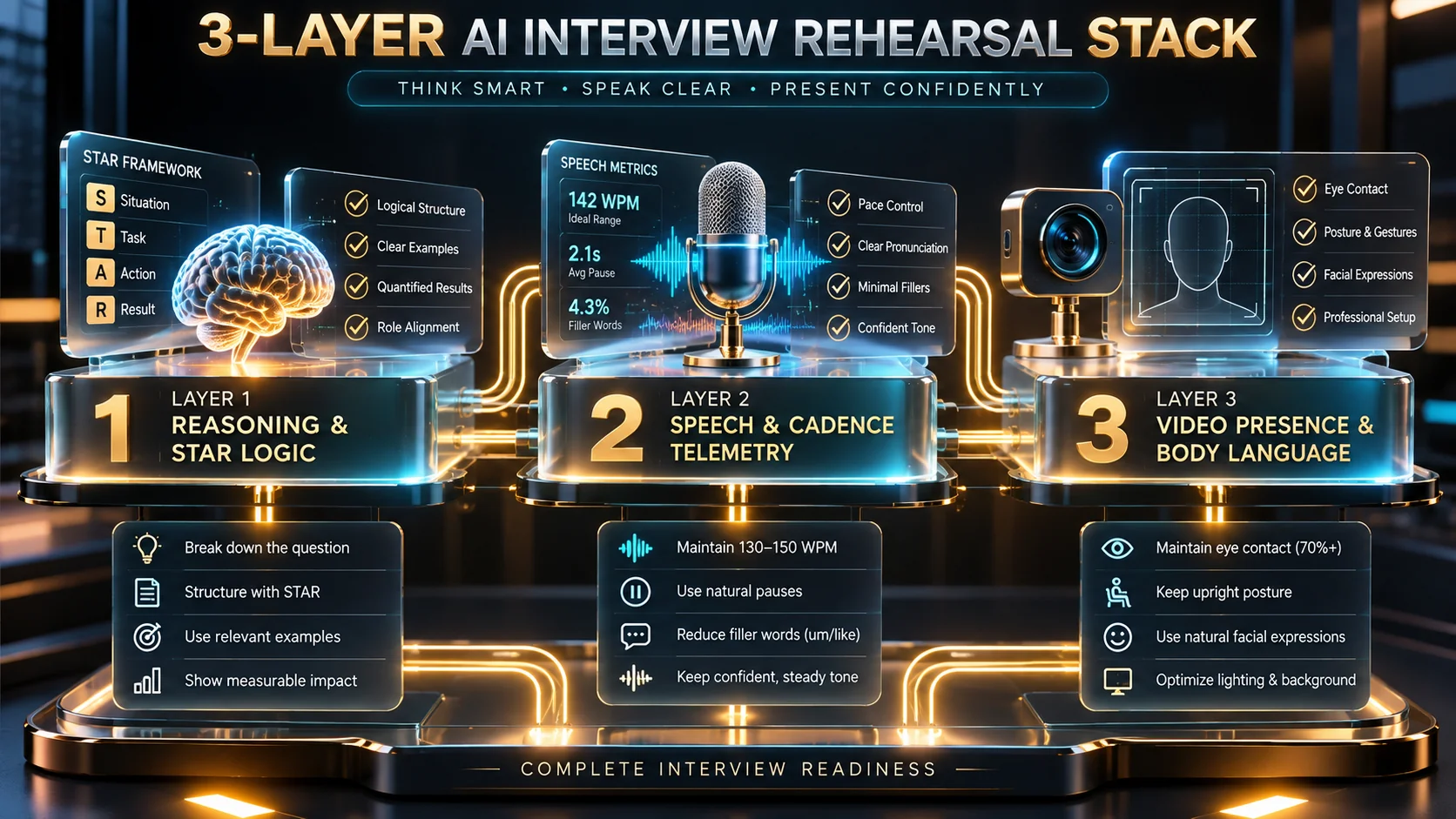
Figure 2: The 3-layer practice architecture integrating reasoning models, acoustic speech telemetry, and video camera presence.
A truly rigorous preparation system integrates three distinct technological layers:
- Layer 1: Cognitive Reasoning & STAR Narrative Architecture: Powered by frontier models like ChatGPT (GPT-4o) and Claude 3.7 Sonnet. This layer evaluates the substance, metrics, and structural logic of your career stories, ensuring every claim aligns directly with the target company's business objectives.
- Layer 2: Acoustic Telemetry & Cadence Calibration: Powered by dedicated speech engines like Yoodli and Google Interview Warmup. This layer tracks words per minute (WPM), identifies vocal hesitation latency, and catches repetitive verbal crutches ("um", "like", "you know") before they undermine your credibility.
- Layer 3: Video Presence & Non-Verbal Feedback: Powered by platforms like Big Interview and Final Round AI. This layer monitors eye-contact consistency with the webcam lens, head tilts, facial expressions, and upper-body posture during simulated virtual panel rounds.
By engaging all three layers sequentially, you bridge the dangerous divide between silent theoretical knowledge and polished executive delivery. Before conducting your first simulation, however, you must prepare the data that fuels your AI interviewer.
2. Context Ingestion & Privacy Sanitization Guardrails
Conversational AI operates strictly on the principle of context in, intelligence out. Typing a vague query like "Practice interview questions for a product marketing manager" forces the model to draw from generic internet cliches. High-impact practice requires feeding the model two foundation documents: the comprehensive target job specification (including required competencies and cultural pillars) and your verified resume achievements.
When an AI model understands both employer expectations and your specific employment milestones, it can cross-examine your timeline, probe employment gaps, and challenge weak claims with surgical precision. However, this level of personalization introduces serious data security obligations.
🔒 Mandatory 4-Step Candidate Privacy & PII Sanitization Checklist:
- Scrub Personal Identifiers: Remove your full legal name, private phone number, home physical address, personal email, and LinkedIn profile URLs.
- Sanitize Proprietary Employer Data: Replace unannounced product code names, confidential client account lists, and proprietary trade secrets with generic descriptors like
[Tier-1 Investment Bank]or[Project Titan]. - Anonymize Executive References: Strip out direct supervisor names and contact references.
- Verify Training Opt-Out Settings: Inside your AI platform settings, disable "Model Improvement & Data Training" toggles to ensure your interview exchanges are not stored in model retraining corpuses.
Never forget that mock interview practice represents the final validation gate of your job hunt. If your application materials fail automated applicant tracking systems (ATS), you will never reach the interview room. We strongly advise aligning your resume achievements against our best AI resume builder in 2026 benchmark and testing your tactical preparation against our best AI tool for interviews analysis.
3. The Master Socratic System Prompt (One-Question Rule)
The single most common mistake in AI interview preparation is allowing the model to enter "list mode". If you simply prompt ChatGPT or Claude with "Interview me for this job", the model will routinely dump ten numbered questions into the chat box and ask you to answer them all. This completely destroys conversational realism. Real hiring managers do not lecture candidates from a list; they ask one focused question, listen intently, challenge weak assertions, and probe for quantifiable business outcomes before advancing.
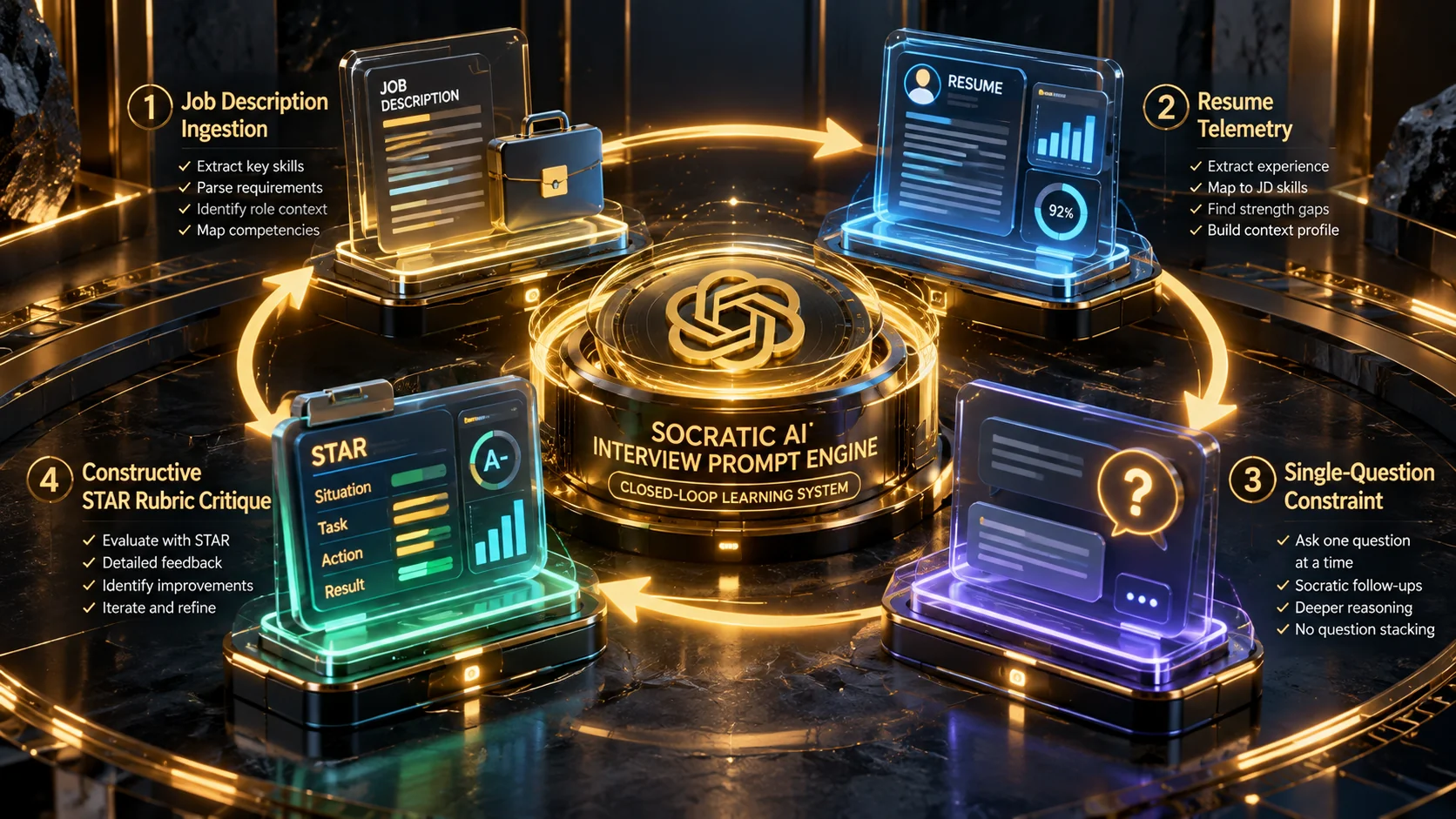
Figure 3: The closed-loop Socratic prompt architecture enforcing single-question flow and rigorous STAR grading.
To lock your AI model into an uncompromising Socratic sparring partner, copy and paste the master system prompt below into your chosen frontier LLM:
You are a Senior Executive Hiring Manager and Bar Raiser at [Target Company / Industry]. You are conducting a formal, rigorous interview for a [Job Title] role.

Your mission is to stress-test my background, competencies, and communication clarity. Enforce these mandatory operating rules throughout our session:

1. Ask me exactly ONE question at a time. Never provide lists of questions or preview upcoming topics.
2. Stop and wait for my response before typing anything further.
3. After I respond, provide an objective critique in three structured sections:
   - What Worked (strengths in metrics, narrative arc, executive presence).
   - What Needs Work (vague claims, missing quantifiable outcomes, rambling).
   - Revised STAR Model (a punchy, high-impact verbal answer under 90 seconds).
4. If my answer is vague, evades the question, or lacks measurable metrics, ask an aggressive follow-up probing question before changing topics.
5. Maintain a professional, discerning, and analytical tone consistent with Fortune 500 recruiting bars.

Target Job Specification:
[PASTE SANITIZED JOB DESCRIPTION]

Candidate Background & Resume Highlights:
[PASTE SANITIZED RESUME BULLETS]
For candidates preparing specifically for conversational sparring on OpenAI's ecosystem, review our step-by-step tutorial on how to practice interview with ChatGPT for platform-specific prompt chaining variations.
4. Acoustic Delivery & Speech Analytics (Cadence, WPM & Fillers)
In executive recruiting, how you say something accounts for over half of how your competence is perceived. Candidates frequently prepare brilliant written answers on screen, only to stammer, rush their words, or drown in verbal fillers when forced to articulate those thoughts aloud. To conquer vocal hesitation, you must measure your acoustic delivery against objective speech science telemetry.
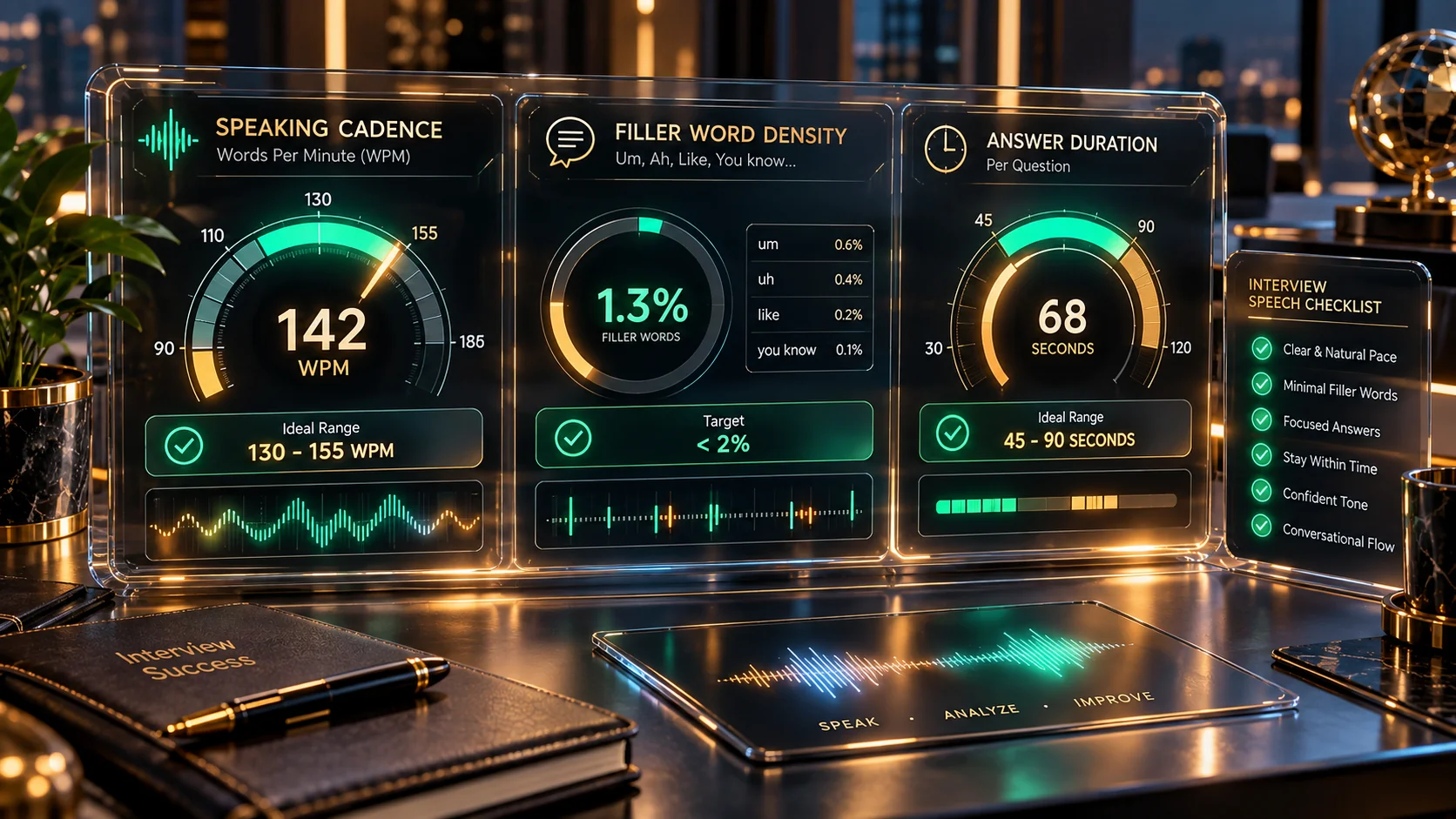
Figure 4: Key acoustic speech benchmarks required for confident, persuasive verbal interview delivery.
When drilling with speech-enabled AI tools (such as Yoodli, Google Interview Warmup, or ChatGPT Advanced Voice Mode), track these three physiological performance benchmarks:
Speaking Cadence
130 – 155 WPM
Optimal conversational pacing conveying executive control and clarity under pressure.
Filler Word Density
< 2.0% of Words
Pruning verbal crutches like "um", "uh", and "like" to project mastery and confidence.
Spoken Answer Duration
60 – 90 Seconds
Keeps answers punchy, quantifiable, and prevents candidate rambling on behavioral questions.
Vocal Pause Latency
1.5 – 3.0 Seconds
A deliberate pause signals thoughtful strategic deliberation rather than cognitive panic.
To drill these benchmarks effectively, use the 90-second stopwatch technique: activate your speech tool, listen to the AI interviewer's prompt, pause for two seconds to organize your thoughts, and verbalize your answer before the 90-second buzzer sounds. Reviewing the automated transcript immediately reveals verbal crutches you were completely unaware of making.
5. Specialized Vertical Drills: Behavioral, Technical & Video Avatar
Different interview rounds require radically different simulation environments. Preparing for a technical coding round on a speech tool makes as little sense as using a code editor for behavioral questions. Tailor your simulation to the specific vertical you are facing:
1. Behavioral Rounds & STAR Modularization: Hiring managers evaluate behavioral answers based on the STAR framework. When practicing with AI, enforce the golden ratio: Situation (15%), Task (15%), Action (50%), and Result (20%). The most common flaw is spending 60 seconds describing background context and only 20 seconds on personal action. Force the AI to grade your Action density by prompting: "Evaluate whether my answer focused 50% on my direct actions and quantify the final business impact."
2. Technical Coding & System Architecture Drills: For software engineering and DevOps candidates, pair programming simulations with Claude 3.7 Sonnet or HackerRank AI provide unmatched technical pressure testing. Feed the model a complex architectural challenge and instruct it: "Act as a Principal Software Engineer. Challenge my proposed data structures, probe edge cases, and ask about concurrency bottlenecks. Do not write the code for me; force me to justify my trade-offs."
3. Video Avatar & Virtual Presence Calibration: Platforms like Big Interview utilize interactive video avatars that simulate webcam eye contact and panel dynamics. When practicing on video, calibrate your setup: look directly into the camera lens (not down at your interviewer's video tile) when speaking, position your light source in front of your face rather than behind, and maintain an open upper-body posture.
Candidates seeking in-depth platform reviews can compare specialized rehearsal environments in our guide to the best AI mock interview platforms.
6. Comparison Matrix: Dedicated Platforms vs General LLMs
To help you assemble the right technology stack for your specific budget and target career stage, we benchmarked the seven leading AI interview preparation platforms across key operational dimensions:
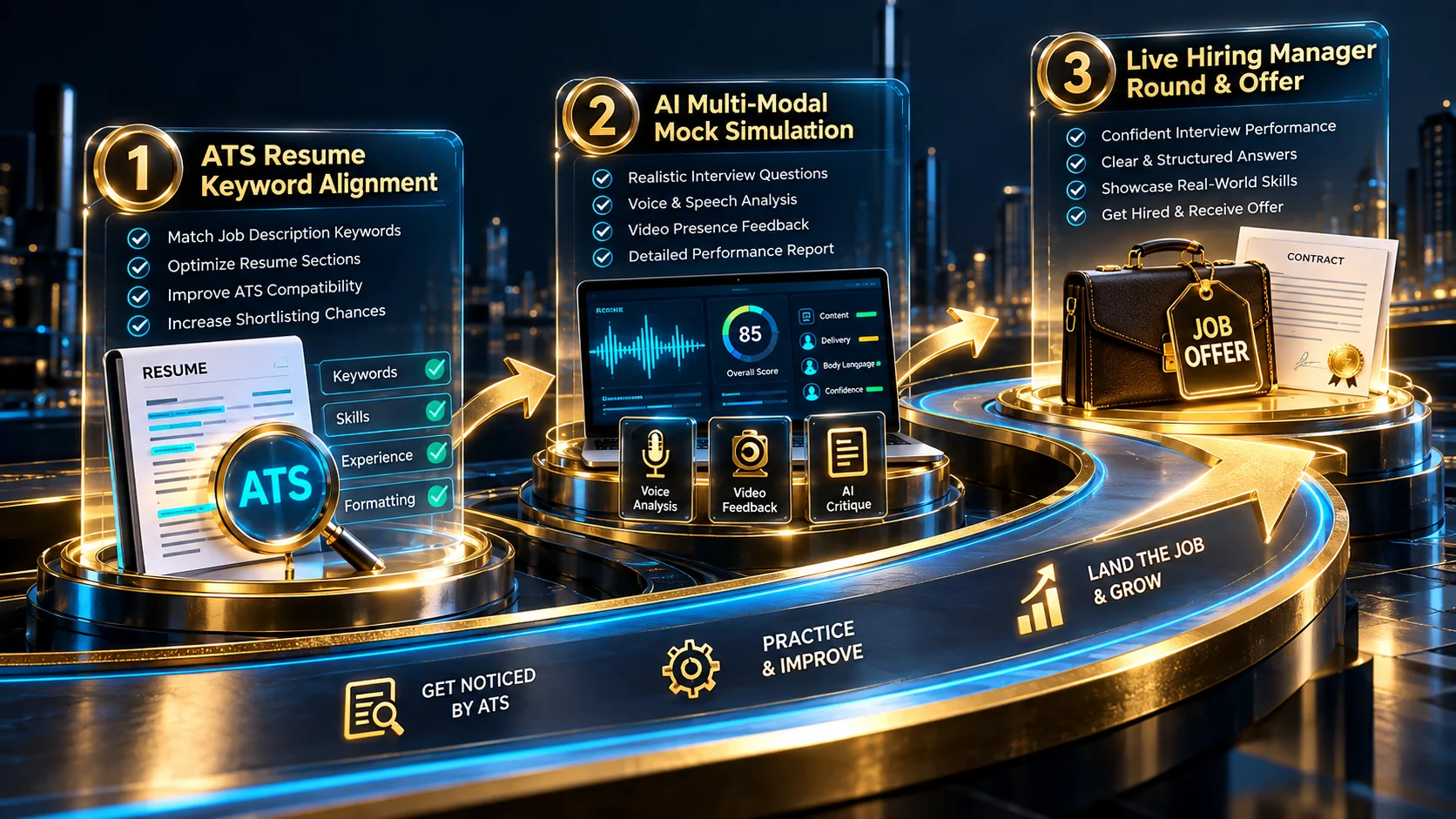
Figure 5: The strategic hiring funnel connecting upstream ATS resume optimization with multi-modal interview practice.
| Platform | Primary Specialty | Modality | Acoustic Analytics | Video Feedback | Free Tier | Pricing |
|---|---|---|---|---|---|---|
| ChatGPT (GPT-4o) | Conversational Socratic Sparring | Text & Mobile Voice Mode | Native spoken conversation | No video tracking | Yes (GPT-4o limits) | Free / $20/mo Plus |
| Yoodli Speech Coach | Speech Cadence & Filler Analysis | Audio & Webcam Video | WPM, Fillers, Monotone pacing | Eye contact & head tilt | Free starter drills | $8 – $20/mo |
| Google Interview Warmup | Zero-Cost Speech Transcription | Browser Microphone / Speech | Keyword repetition metrics | No video tracking | 100% Free Public Tool | Completely Free |
| Final Round AI | Sector-Specific Mock Studio | In-App Teleconference Mock | Pacing & tone scoring | Simulated virtual room | Limited trial session | $99 – $149/mo |
| Big Interview | Video Avatar Question Libraries | Webcam Video Recording | Pacing & vocal hesitation | Eye contact & expression | University portal access | $79/mo |
| HackerRank AI | Technical & Coding Sandboxes | Code Editor & Terminal | N/A (Code focused) | N/A | Free developer drills | Free / Enterprise |
| Claude 3.7 Sonnet | High-Reasoning Behavioral Critique | Text & File Ingestion | N/A (Text-based) | No video tracking | Free web access | Free / $20/mo Pro |
🎯 How to Choose Your Preparation Stack:
- Choose ChatGPT (GPT-4o) / Claude 3.7 if you want versatile, cost-effective Socratic question sparring and deep STAR narrative critiques.
- Choose Yoodli or Google Interview Warmup if your primary weakness is verbal pacing, monotone delivery, or nervous filler words.
- Choose Big Interview or Final Round AI if you face virtual executive panel interviews and need to calibrate camera presence, eye contact, and realistic video avatars.
- Choose HackerRank AI if you are preparing for software engineering, system architecture, or live LeetCode whiteboard rounds.
Remember: practicing mock interviews is futile if your initial application is rejected by applicant tracking systems before a human recruiter ever sees it. Ensure your resume formatting and quantifiable impact bullets are fully optimized with an industry-tested ATS tool like Rezi.
7. The "Authenticity Filter": Avoiding the Robotic AI Trap
A major danger of intensive AI interview preparation is the "Robotic AI Trap". Candidates who ask an AI model to write their interview answers and then attempt to memorize those scripts verbatim sound wooden, scripted, and emotionally detached during real interviews. Experienced hiring managers immediately detect artificial prose when candidates overuse dead giveaway AI vocabulary such as "testament to", "delve into", "spearheaded", "pivotal role", and "leverage".
To protect your personal authenticity and conversational warmth, execute the 3-Pass Rehearsal Protocol:
- Pass 1: Structural Extraction (Bullet Points Only): Never memorize complete written paragraphs generated by an AI. Extract only the skeletal anchor points: the core conflict, the exact metric (e.g., 28% reduction in latency), and the specific technological choice.
- Pass 2: Natural Verbalization: Put away your laptop and articulate the story aloud using your everyday conversational vocabulary. Allow yourself to use natural conversational fillers, natural vocal pauses, and authentic sentence structures.
- Pass 3: Pressure Testing Under Uncertainty: Have the AI or a trusted peer ask sudden follow-up interruptions mid-story (e.g., "What was your single biggest regret during that project?"). If you memorized a rigid script, an interruption will derail you; if you mastered the underlying story concept, you will pivot seamlessly.
Artificial intelligence can refine your logic and time your delivery, but it cannot simulate genuine human empathy, unscripted humor, or authentic intellectual humility. Use AI to build the foundation, but let your human personality carry the room.
Specialized Interview Preparation:
• For candidates facing automated video screenings, master speech recognition scoring with our guide on how to pass HireVue interview screens.
• Strategy consulting applicants should pair voice simulation with our first-principles playbook on how to prepare case interview issue trees.
8. Frequently Asked Questions (FAQ)
How can I practice for an interview with AI completely for free?
You can build a powerful zero-cost simulation stack by combining the free tier of ChatGPT (GPT-4o mini) or Claude 3.7 with Google Interview Warmup. Use the free LLMs to run Socratic single-question drills by copying our master prompt, and use Google Interview Warmup in your browser for hands-free speech-to-text keyword analytics without paying for premium subscriptions.
What is the best AI tool to practice for a job interview?
The best tool depends on your target interview round. For conversational depth and behavioral STAR story refinement, ChatGPT (GPT-4o) and Claude 3.7 Sonnet are unmatched. For acoustic delivery, pacing, and filler word elimination, Yoodli is the gold standard. For webcam eye contact and video avatar practice, Big Interview is the preferred platform.
Can AI accurately evaluate my body language and vocal delivery?
Yes, specialized speech and video AI platforms (such as Yoodli and Big Interview) use computer vision and audio signal processing to measure eye contact consistency, head movements, speaking rate (WPM), and filler word frequencies. Standard text LLMs cannot evaluate physical delivery unless accessed via native voice interfaces.
Will practicing with AI make my answers sound robotic during real interviews?
Only if you make the mistake of memorizing AI-generated text verbatim. To prevent robotic delivery, use AI solely to critique your logic and bullet-point structure. Always verbalize your responses in your natural conversational voice, allowing for thoughtful pauses and authentic vocabulary.
Is it safe to upload my resume and career history to AI interview tools?
It is safe provided you scrub all personal identifiable information (PII) first. Remove your full name, phone number, private email, home address, and any confidential company metrics or non-disclosure agreement (NDA) protected trade secrets. Additionally, ensure you disable model training toggles in your account settings.
How many hours should I practice with AI before my actual interview?
We recommend 3 to 5 focused 30-minute practice sessions over several days rather than a single marathon session. Distributed practice allows your brain to assimilate feedback, eliminate vocal ticks, and internalize your STAR narrative milestones without inducing mental burnout.
How does practicing with AI compare to a human mock interview coach?
AI excels at unlimited, 24/7 repetitive drills, timing benchmarks, and objective critique without judgment. Human coaches excel at subjective cultural chemistry, empathy, unscripted conversational detours, and industry-specific networking nuances. The ideal strategy is using AI for 80% of your foundational reps, followed by one or two human mock calibrations.
Can AI help me prepare for technical coding and case interviews?
Yes. Platforms like HackerRank AI provide real-time code execution and automated test case evaluation. Similarly, advanced reasoning models like Claude 3.7 can simulate Socratic technical whiteboard discussions, while specialized tools like CaseBasix allow consulting candidates to practice market-sizing calculations and hypothesis-driven issue trees.
