

Deploying a dedicated ai tool to find jobs enables candidates to bypass saturated public job boards by automatically scraping direct employer career portals, filtering out ghost listings, and matching open requisitions against verified resume skills with algorithmic precision.
Traditional search boards force applicants to sift through thousands of duplicate postings and expired requisitions. Modern AI search engines cut research latency by over 80% while uncovering high-priority direct career opportunities.
Quick Verdict: The Top AI Job Search Engines
For comprehensive search and tracking, Teal delivers the best all-in-one browser workflow across 50+ portals. If your priority is live indexing of unlisted positions, JobRight leads the industry with 8 million indexed roles and active ghost-job removal. Candidates seeking qualification alignment should deploy Jobscan to reverse-match resumes against live employer requirements.
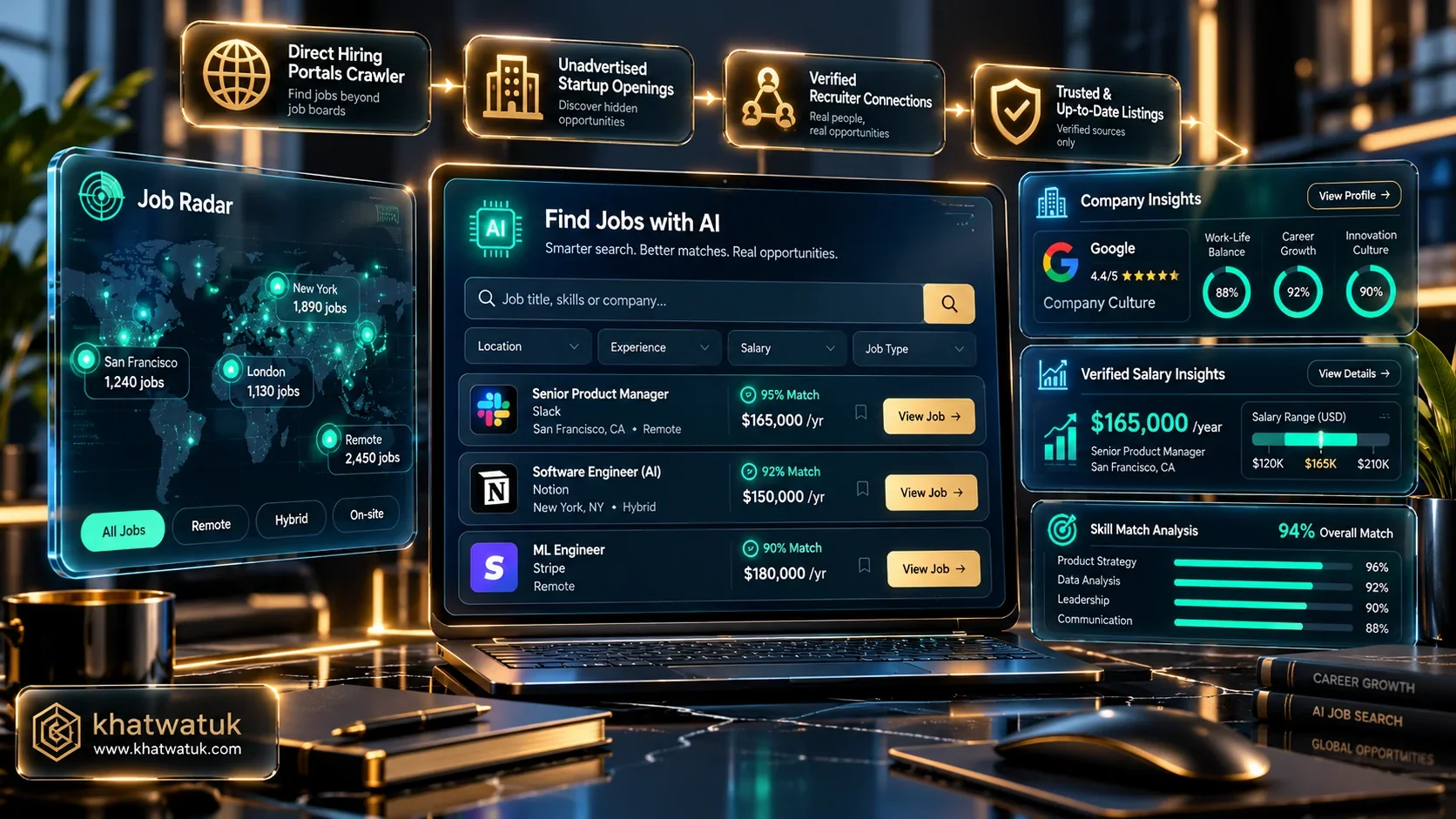
The Job Search Crisis: Why Traditional Job Boards Fail in 2026
The employment market has experienced a structural breakdown across commercial job aggregators. Candidates submitting hundreds of manual resumes frequently experience complete silence due to outdated listing data.
Over the past three years, commercial boards shifted from candidate-centric marketplaces into advertiser-driven lead funnels. Understanding the root causes of this dysfunction reveals why dedicated AI discovery platforms are essential.
The Ghost Job Phenomenon and False Openings
Hiring audits indicate that between 30% and 35% of listings on mainstream boards are ghost jobs: postings kept active by corporations to maintain appearance of growth or build passive talent pipelines without hiring budgets.
Applying to these inactive postings produces massive candidate demoralization. AI job tools solve this issue by verifying recruiter activity timestamps, requisition funding status, and direct hiring manager engagement.
The Advantages of Direct Employer Portal Scraping
Corporate talent teams post requisitions directly to their internal Applicant Tracking Systems—such as Workday, Greenhouse, and Lever—days before syndicating them to public boards.
Specialized AI search engines crawl these underlying enterprise portals continuously. This allows early applicants to submit materials before a public posting accumulates hundreds of competitor submissions.
How Modern AI Job Finding Engines Work: The 3 Core Pillars
Next-generation discovery engines depart fundamentally from simple keyword search bars. They operate across three integrated technological pillars designed to maximize match accuracy.
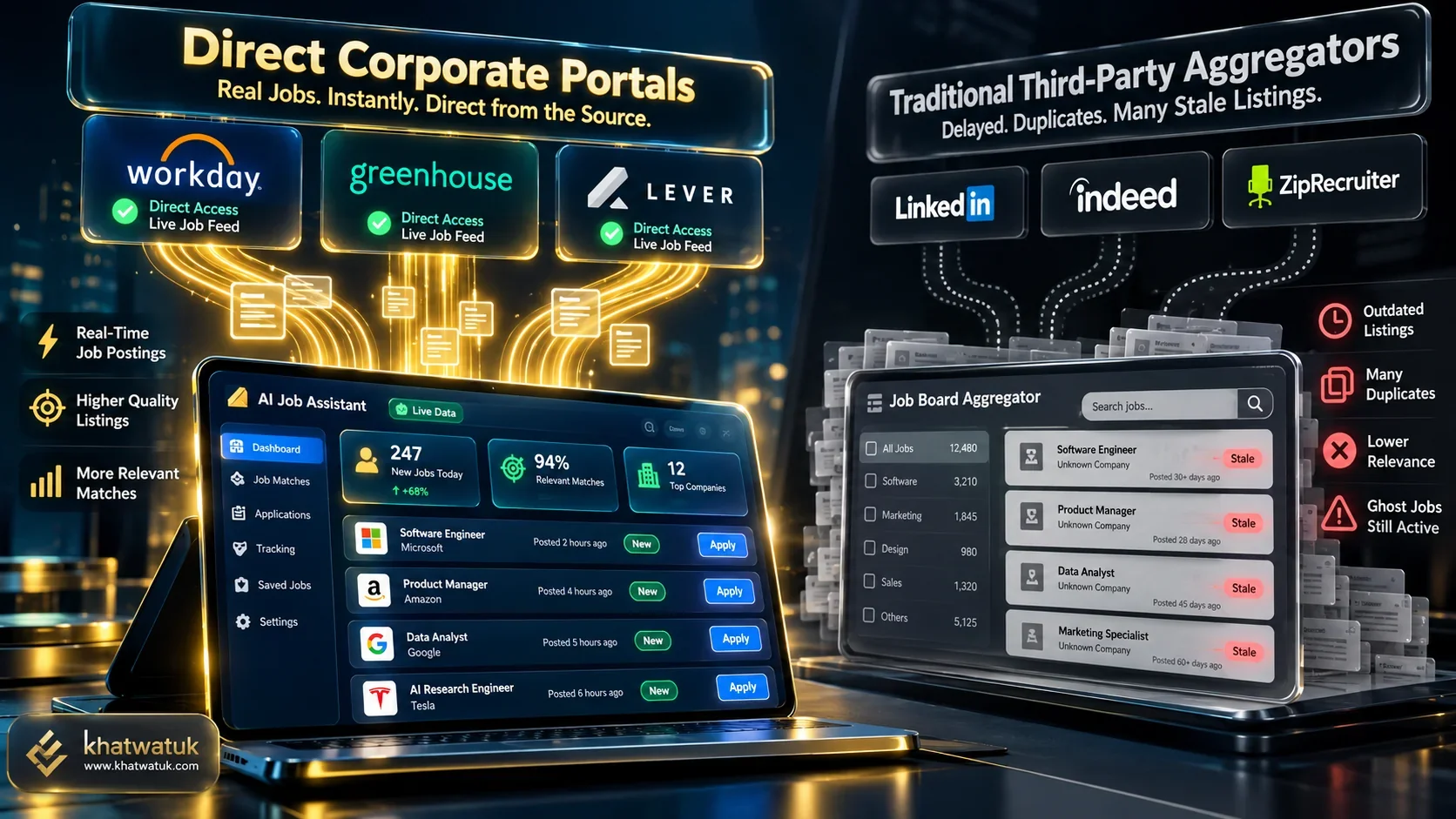
1. Real-Time Career Page Crawling
Rather than waiting for corporate recruiters to purchase expensive board listings, AI engines deploy headless scrapers that index over 150,000 corporate careers subdomains continuously.
When an engineering or product role opens at a high-growth company, the engine indexes the full requisition within 15 minutes, allowing you to prepare tailored documents immediately.
2. Algorithmic Relevance and Reverse Skill Matching
Instead of relying on rigid job titles that vary widely across employers, semantic algorithms analyze the underlying taxonomy of responsibilities, technical stacks, and leadership scope.
Uploading your resume enables the engine to reverse-engineer openings where your verified achievements match 80% or more of core requirements, as detailed in our guide on best AI resume builder tools.
3. Hiring Manager and Referral Path Identification
The highest-converting job application is one accompanied by an internal employee referral. Top AI tools map public organizational structures to identify department heads and potential referral champions.
Discovering open roles alongside verified alumni or 2nd-degree LinkedIn connections elevates your odds of securing an initial recruiter screening interview by over 400%.
Top 5 AI Tools to Find Jobs Compared
We tested the leading job discovery platforms to evaluate their crawling depth, ghost job filtering capability, and candidate interface. Here is how the top five tools compare directly:
To pick the right engine for your current career stage, consider your specific search priorities:
- Choose Teal if you want an intuitive Chrome extension and pipeline manager that tracks job listings across every site you visit. For comparison details, review our breakdown of Teal vs Rezi.
- Choose JobRight if you want an autonomous copilot indexing 8 million active corporate listings with built-in referral routing.
- Choose Otta if you are an engineer, designer, or product manager seeking venture-backed startups with transparent compensation data.
- Choose LoopCV if you want continuous automated search loops that monitor employer openings around the clock in the background.
- Choose Jobscan if your goal is discovering roles where your existing resume skills hit an 80%+ match threshold. Explore our analysis of Jobscan vs Teal.
How to Spot and Avoid Ghost Jobs with AI
Recognizing the subtle warning signs of stalled job listings protects you from wasting time on ghost positions. AI algorithms evaluate multiple behavioral data points to flag low-probability postings.
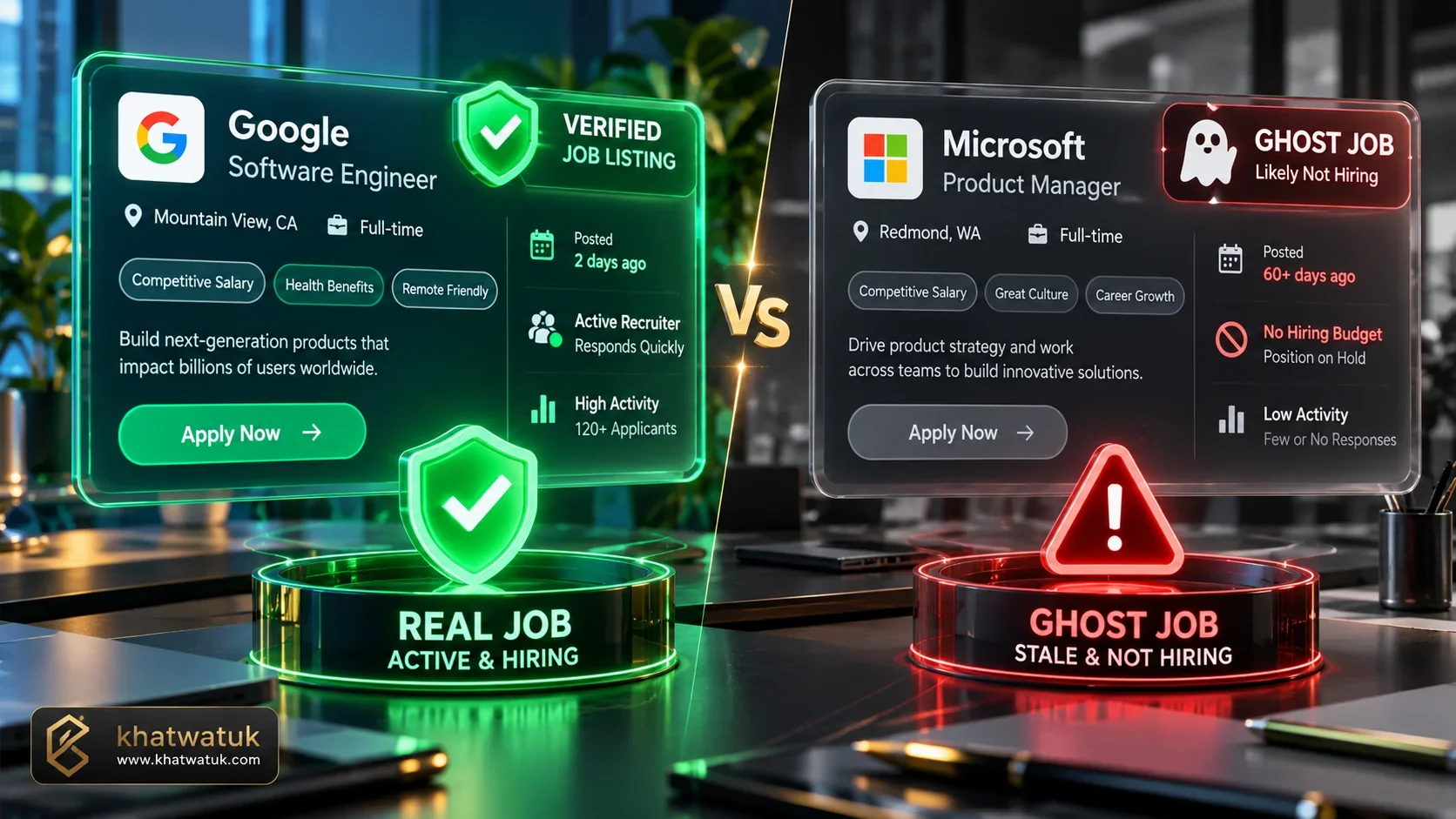
Use the following operational framework to separate legitimate, funded job requisitions from ghost listings:
Requisition Age vs Update Velocity
Job listings that are reposted every 30 days without changes indicate an employer gathering passive resumes rather than actively interviewing candidates.
AI job scanners flag these zombie postings automatically, allowing you to prioritize fresh openings where the hiring manager is actively conducting first-round interviews.
Edge case scenarios and mistakes to avoid
A costly mistake in modern job hunting is searching only on public aggregators and ignoring direct employer portals. Over-reliance on a single board cuts candidate pipeline visibility by half.
Additionally, never apply to an AI-discovered job using a generic unedited resume. Combine smart discovery with targeted tailoring, as explained in our guide on how to apply jobs with AI.
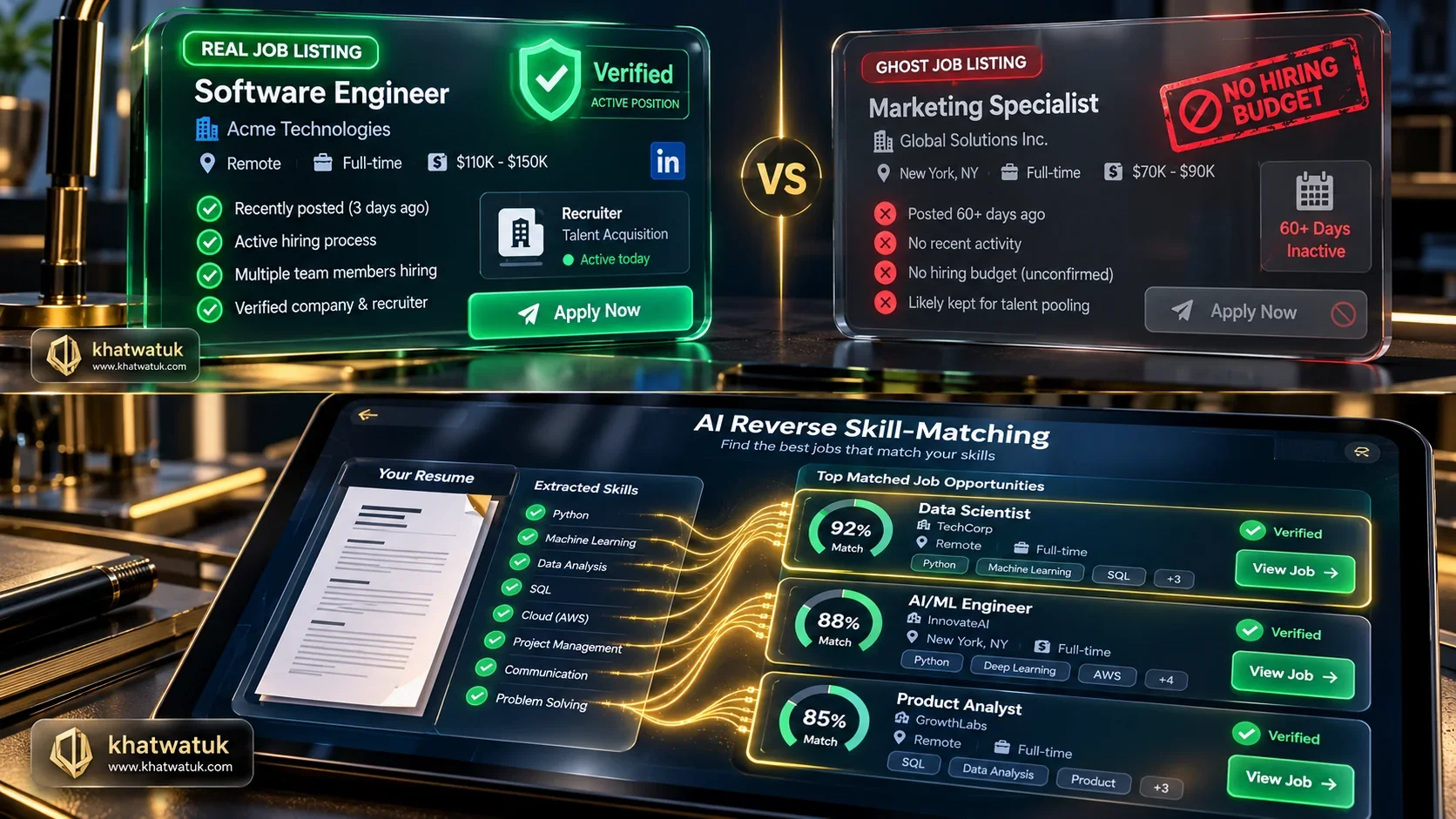
Step-by-Step Tutorial: Setting Up Your Automated AI Job Radar
Transforming your search into an automated discovery system requires a straightforward 15-minute setup. Follow this repeatable implementation checklist:
1. Calibrating Search Parameters and Compensation Ceilings
Set precise geographic preferences, remote flexibility options, and minimum base salary thresholds. Exclude non-target job titles using boolean operators to keep feeds clean.
2. Uploading Your Verified Resume for Reverse Matching
Ingest your updated master resume into your chosen platform. The algorithm extracts core competencies and generates real-time match scores against freshly indexed requisitions.
3. Activating Instant Alerts for Newly Published Requisitions
Configure instant push notifications or daily morning email digests. Applying within the first 48 hours of an opening going live increases interview conversion rates significantly.
Explore Related AI Career & Job Application Guides
Frequently Asked Questions (FAQ)
Here are direct answers to common candidate questions about AI job discovery platforms and search automation:
What is the best AI tool to find jobs in 2026?
The best AI tool depends on your search strategy. Teal is the premier all-in-one browser tool for organizing and bookmarking roles across 50+ boards, while JobRight provides the largest live index of 8 million openings with automatic ghost-job removal.
Can an AI tool find unadvertised or hidden jobs?
Yes. AI platforms scrape underlying corporate ATS portals like Greenhouse and Workday directly. This uncovers openings as soon as they are approved internally, often days before they are syndicated to public job aggregators.
How do AI job finders detect and eliminate ghost jobs?
Algorithms analyze job post age, repost frequency, recruiter LinkedIn profile activity, and direct career portal synchronization. Positions that have been reposted repeatedly for over 60 days without active hiring activity are automatically flagged as stale.
Are AI job search engines free to use?
Most top platforms offer robust free tiers. Teal and Otta provide completely free job discovery and tracking features, while JobRight and LoopCV offer generous free access with optional premium tiers for advanced analytics.
How does an AI job finder differ from an automated application bot?
An AI job finder focuses on discovering, filtering, and matching relevant openings to your profile. An application bot automatically submits forms. Job finders keep the candidate in control, ensuring you review materials before applying.
Can AI match jobs directly to my uploaded resume?
Yes. Platforms like Jobscan and JobRight evaluate your resume keywords and past experience against job requirements, assigning compatibility match percentages so you prioritize roles where you have strong qualification fit.
Is my personal resume data secure on AI job platforms?
Reputable platforms encrypt user data and do not sell personal contact information to third-party data brokers. Always review platform privacy policies and use verified extensions that adhere to enterprise security standards.
How quickly do AI search engines discover new corporate job postings?
Because AI platforms continuously poll enterprise ATS endpoints, new postings are typically indexed within 15 to 30 minutes of being published by human resources departments, giving proactive applicants a major timing advantage.
