

A student resume builder should help you turn real coursework, projects, activities, internships, research, and part-time work into a clear application. As highlighted in student outcome studies by the National Center for Education Statistics (NCES), translating academic projects into measurable competencies is essential for early-career recruitment. The useful question is which workflow fits your stage, evidence, budget, ATS needs, and export requirements.
Compare builders on limited-experience support, AI control, ATS-readable structure, what the free plan actually exports, and how easily you can maintain tailored versions. A free plan is useful only when its limits fit your application workflow.
Table of contents
- Best resume builders for students in 2026: choose by workflow
- What students actually need from a resume builder
- Student resume builder comparison matrix
- Which workflow fits high school, college, and new graduates
- How to turn student experience into resume evidence
- AI resume building without invented claims
- ATS readability and job-specific tailoring
- Free vs paid: what students should actually compare
- Templates, design, exports, and version management
- A practical six-step student resume workflow
- Common student resume mistakes and edge cases
- Frequently asked questions
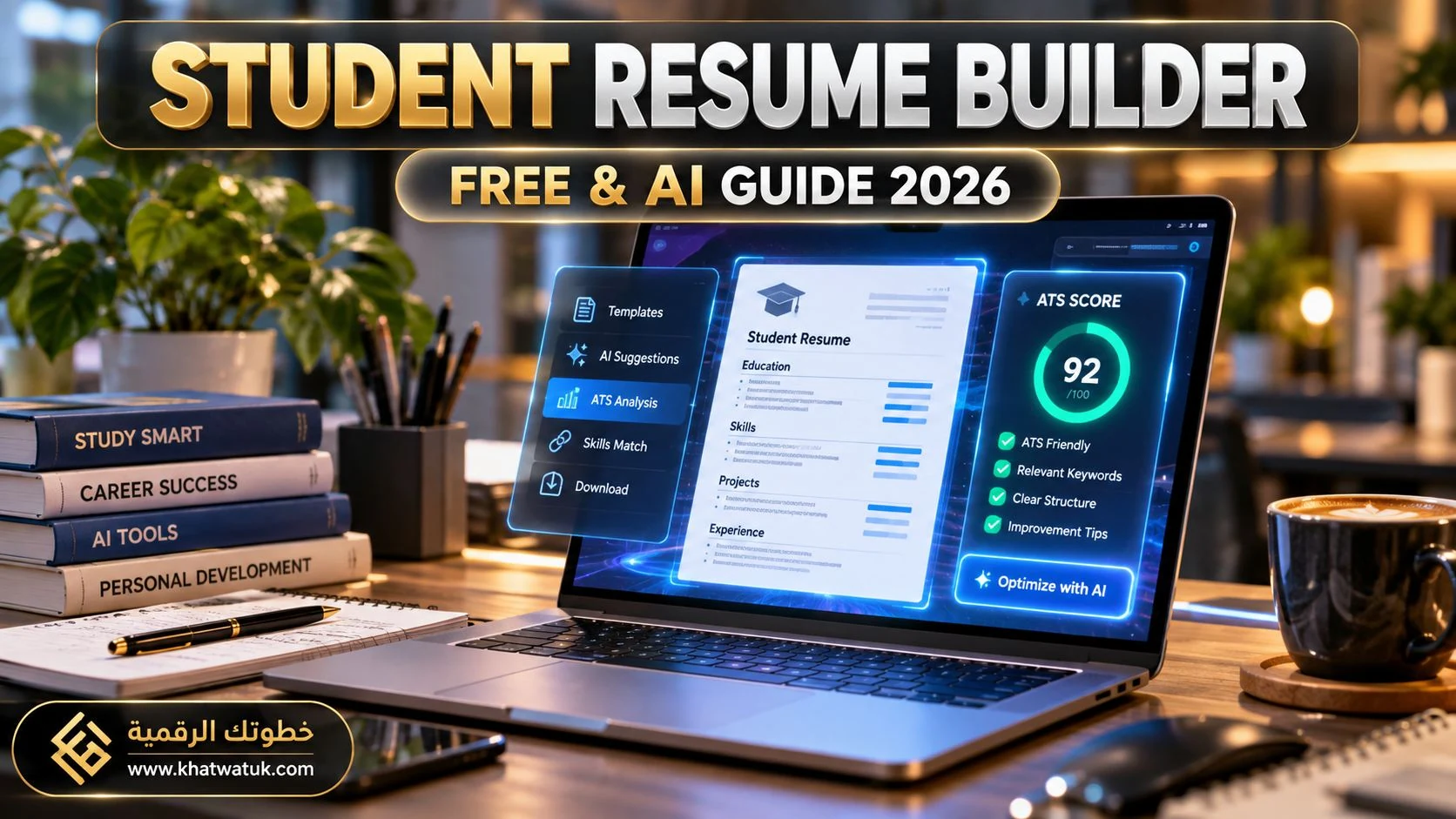
Choose a student resume builder by workflow, evidence, ATS structure, AI controls, and export needs.
Best resume builders for students in 2026: choose by workflow
There is no single feature that makes a resume builder appropriate for every student. A high school applicant may need room for coursework, activities, awards, and a first job. A college student may need project and internship evidence. A new graduate may need to combine a capstone, research, internships, and early professional experience.
Use six practical criteria: no-experience workflow, AI drafting and editing, ATS controls, templates and customization, free access and limits, and PDF/DOCX export. A seventh consideration is version management: a strong workflow lets you keep a master resume and tailor copies for individual postings.
Current verified examples include Teal, Jobscan, and Rezi. These are referral links.
What students actually need from a resume builder
- No-experience support: education, projects, coursework, leadership, volunteering, research, activities, and part-time work should be usable evidence.
- Controlled AI assistance: AI can refine real material, but every generated claim needs review.
- ATS-readable structure: standard headings, readable text, sensible ordering, and relevant keywords matter more than decorative effects.
- Free-plan transparency: check export format, template restrictions, AI credits, watermarks, trial duration, and renewal terms.
- Version management: keep a master resume and a traceable tailored copy for each application.
For related ATS and job-tracking context, see Jobscan vs Teal.
Criterion 1: No-experience workflow
Look for a clear way to represent education, projects, coursework, activities, leadership, volunteering, research, and part-time work. The builder should make these evidence types easy to place and edit without implying professional experience you do not have.
Criterion 2: AI drafting and editing control
AI is most useful when you can supply source material, request targeted edits, and inspect the result. Check whether you can revise a specific bullet or section instead of replacing the whole document.
Criterion 3: ATS-readable structure
Check headings, spacing, dates, section order, and keyword placement. An ATS checker does not create a universal guarantee. Review the final exported document because the submitted file is what matters.
Criterion 4: Free access and real limits
Compare editing, templates, AI usage, exports, branding, and renewal terms. A builder can be free to use while charging for the file format you need.
Criterion 5: Export and version management
Students applying to several roles need a reliable master-to-tailored workflow. Check the employer-required format and preserve the exact version submitted.
These criteria also explain why feature counts alone can mislead. A builder with many templates may still leave a student without the required export. An AI-heavy workflow may save editing time while creating more review work if its suggestions are not grounded in the source resume. A simple tool can be sufficient when the main need is clean formatting and repeatable tailoring. Compare the complete path from evidence to submitted file, because that is where the practical differences appear.
Student resume builder comparison matrix
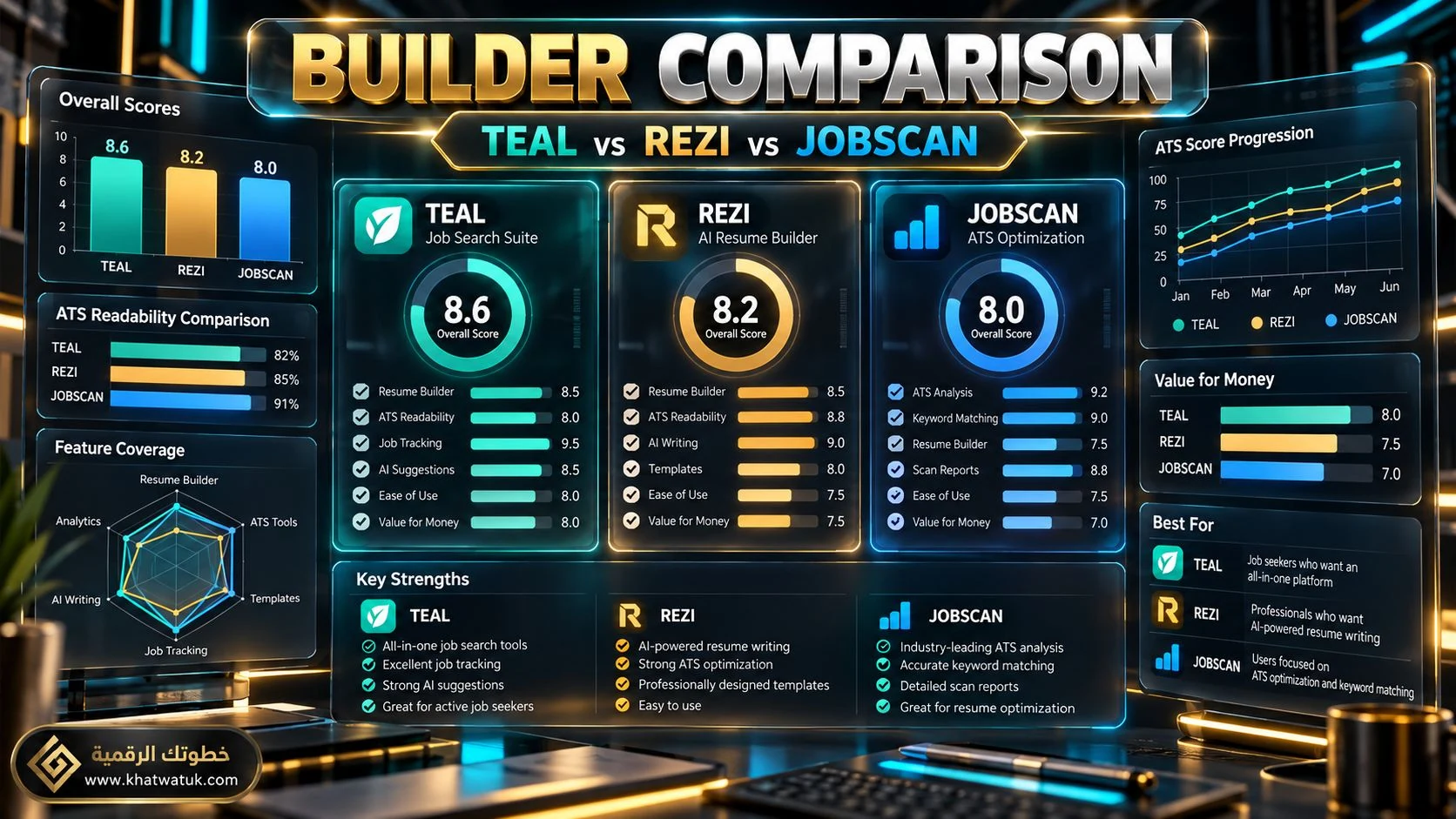
Compare the workflow dimensions that matter most when you are building a student resume.
🔎 In-Depth Tool Comparisons & Guides
For complete side-by-side feature breakdowns between popular resume builders, explore our dedicated reviews:
- Teal vs Rezi (2026): Application tracking workspace vs dedicated ATS keyword optimization.
- Jobscan vs Teal (2026): Deep ATS match scanning vs comprehensive job search tracking.
- Teal vs Kickresume (2026): Structured ATS workflows vs creative designer resume templates.
- Rezi vs Kickresume (2026): Mathematical ATS formatting score vs aesthetic visual design.
These figures come from the fact-check log completed September 24, 2026. Product terms can change, so verify the provider's current page before payment.
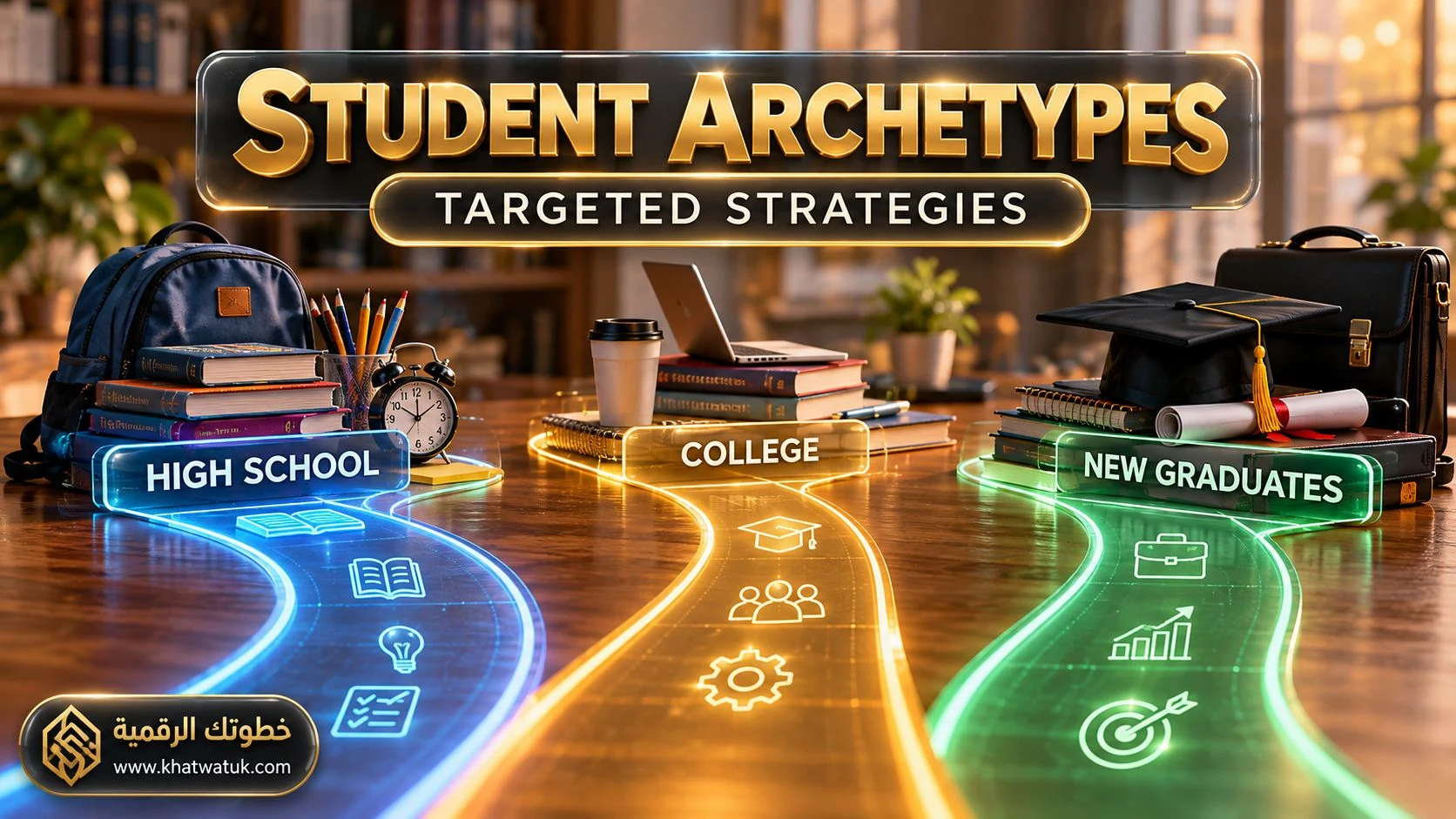
Which workflow fits high school, college, and new graduates
Choose an activities-and-coursework workflow if: you are in high school or have limited employment history and your strongest evidence comes from school projects, awards, clubs, volunteering, leadership, or first-job experience.
Choose a projects-and-internships workflow if: you are in college and need to combine coursework, campus leadership, projects, internships, research, and part-time work.
Choose a role-targeting workflow if: you are a new graduate with internships, capstones, research, certifications, and early professional experience that must be reordered for each target role.
How to turn student experience into resume evidence

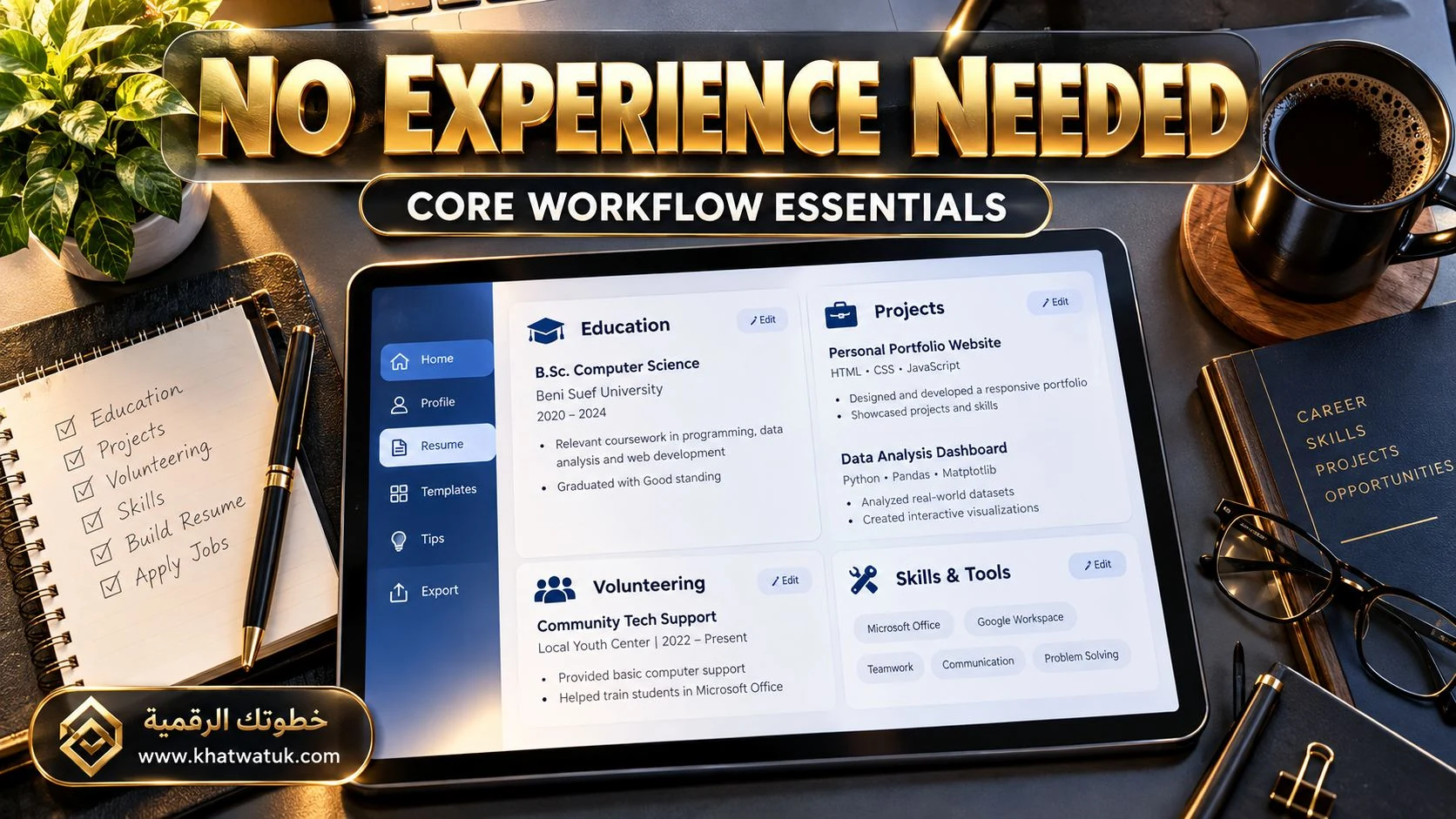
Strong student resumes translate real academic and extracurricular evidence into clear outcomes and skills.
Start with what actually happened and extract evidence from it. Education and relevant coursework can demonstrate preparation. Projects can show the problem, your contribution, tools, and result. Clubs and leadership can show what you organized or delivered. Internships and part-time work can connect responsibilities to outcomes. Research and volunteering can show method, responsibility, and contribution. Skills and certifications should be credentials you actually hold.
AI resume building without invented claims
AI is most useful when the source material is already true. Keep an evidence bank containing dates, course names, project outputs, tools, responsibilities, metrics, certifications, and other facts. Give the builder that source material and ask it to improve clarity or tailor wording to a real job description.
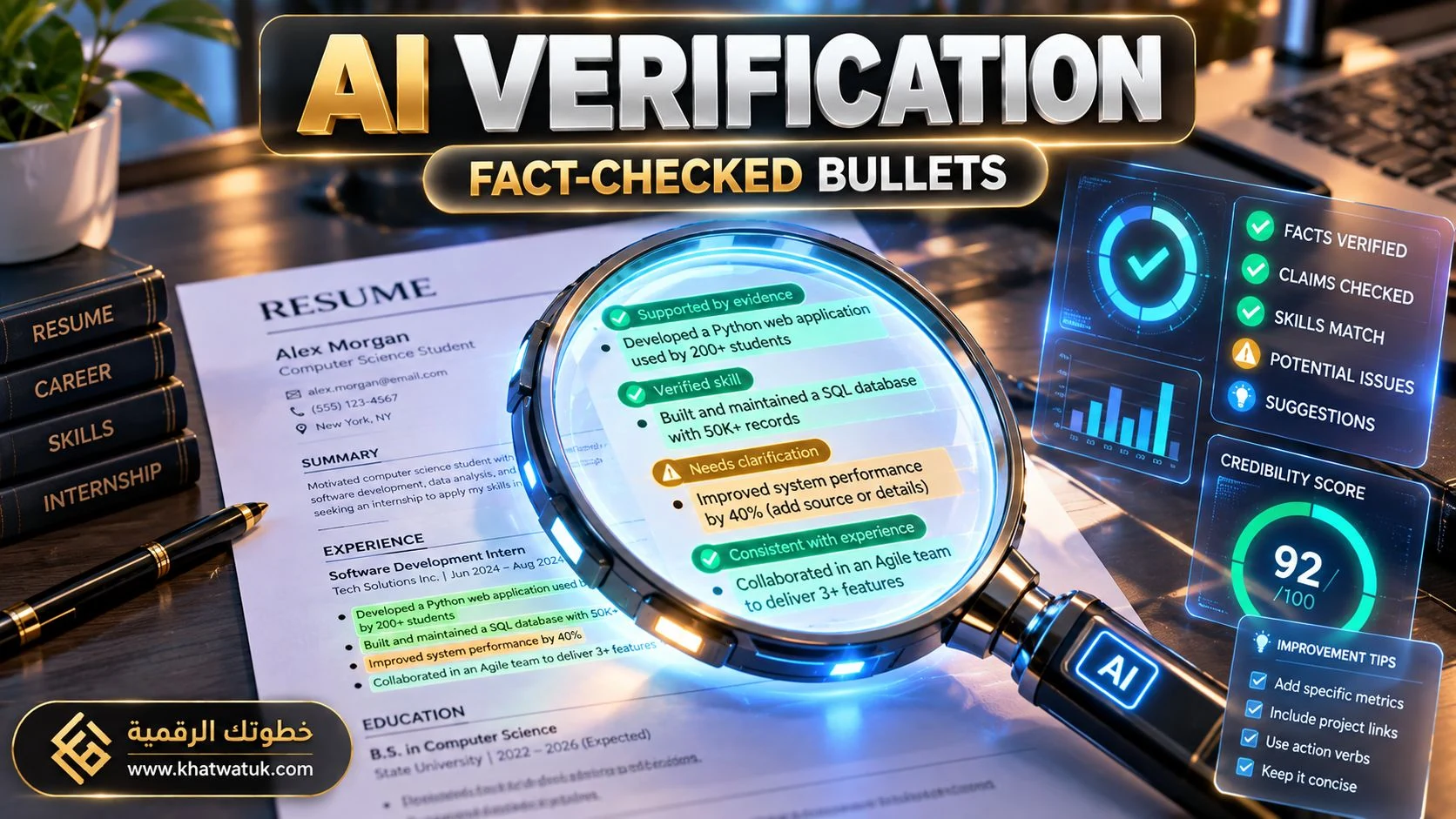
Then check every generated sentence. Remove claims that sound plausible but cannot be supported. A polished bullet that changes your actual responsibility is worse than a simpler accurate one.
ATS readability and job-specific tailoring
Applicant tracking systems vary, so no tool should be treated as a universal guarantee of ATS performance. Use clear headings, readable text, consistent dates, normal structure, and relevant keywords in context.
For each application, compare the job description with your master resume. Add terms only when they accurately describe your background. For ATS-focused workflow context, read Jobscan vs Teal.
Free vs paid: what students should actually compare
- 1Can you export in the required format?
- 2Does the free plan add branding or a watermark?
- 3Are AI generations limited?
- 4Which templates and sections are free?
- 5Does a trial renew, and at what verified price?
- 6Is a student offer currently documented?
Rezi's free plan includes three PDF downloads. Resume Genius confirms free TXT export and requires paid access for Word/PDF. Zety confirms free TXT downloads with premium formats on paid plans. These differences can matter more than template count when an application deadline is close.
Kickresume's current pricing page documents a student/teacher Premium offer; its help center describes a six-month offer with status verification. Check current terms before relying on it.
Templates, design, exports, and version management
Design flexibility and parsing reliability are separate questions. Favor hierarchy, spacing, readable typography, and conventional section structure when an application may be processed automatically.
Keep one master resume and create a dated or role-specific copy for each application. A practical filename is LastName_FirstName_Role_Company_YYYY-MM-DD.pdf. Store the submitted version so you know exactly what an employer received.
For another AI resume-builder comparison, see Teal vs Rezi.
A practical six-step student resume workflow
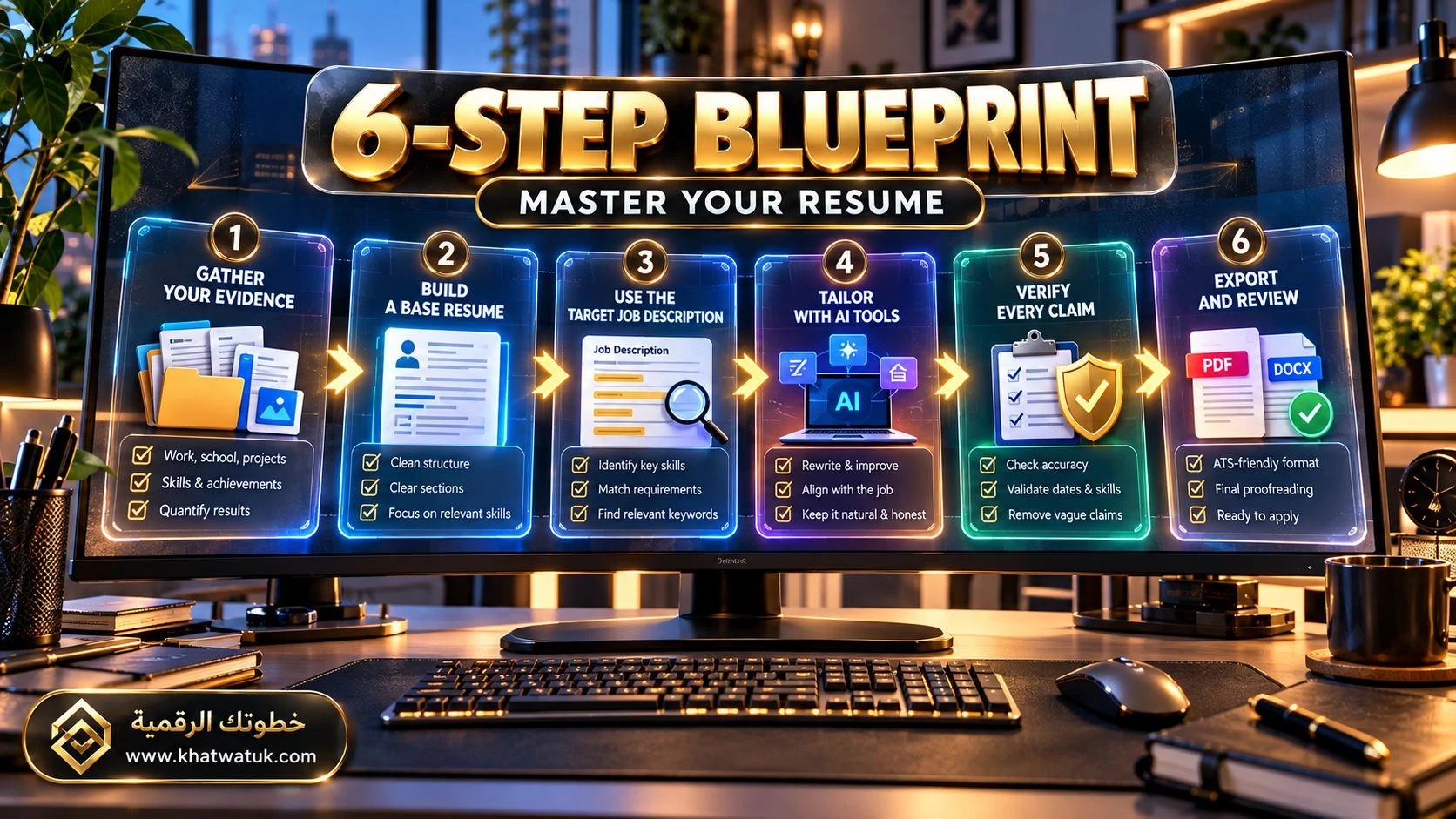
A repeatable workflow keeps the master resume accurate while each submitted version stays tailored and verified.
- Build an evidence bank. Record education, projects, dates, tools, results, activities, credentials, and work.
- Create a master resume. Keep reusable evidence in one source.
- Tailor to one job description. Adjust emphasis and wording around actual requirements.
- Run ATS/format checks. Review headings, dates, keywords, spacing, and export quality.
- Human-review AI output. Verify every claim against your evidence.
- Export, name, save, and track. Preserve the exact submitted version.
Start with the workflow that matches your application needs. Teal, Rezi, and Jobscan links below are affiliate/referral links.
Common student resume mistakes and edge cases
- Inflated claims: never turn participation into leadership or an estimate into a measured result.
- Too much design: decoration should not crowd out evidence.
- Generic AI language: replace vague phrases with concrete work, tools, outputs, and results.
- Missing projects: relevant academic and independent projects can provide evidence when paid employment is limited.
- Wrong education stage: high school, college, and new-graduate resumes emphasize different evidence.
- Export surprises: inspect the final file before submitting, especially after a trial or free-plan workflow.
- GPA/coursework: include them when they add relevant evidence.
- Multiple applications: preserve a master copy and track each submitted version.
For a broader builder comparison, see Teal vs Kickresume. For students who also need job-search tracking, see Huntr vs Teal.
Frequently asked questions
What is the best resume builder for a student with no experience?
The useful choice depends on the evidence you have and the workflow you need. Prioritize clear support for education, coursework, projects, activities, leadership, volunteering, and other real evidence.
What are some free resume builders for students?
Verified options with free access or plans include Teal, Jobscan's AI Resume Builder, Rezi, Kickresume, Zety, Resume.io, Resume Genius, Huntr, and Novorésumé. Their limits differ substantially.
Can students use AI to write a resume?
Yes. Use AI to organize and refine information you actually provide, then check every generated claim against your evidence.
Should I include GPA and coursework on a student resume?
Include them when they add relevant evidence for the role or education stage. They do not need to occupy space when stronger project, internship, research, or skills evidence is available.
How is a high school resume different from a college resume?
High school resumes often emphasize coursework, activities, awards, volunteering, leadership, and first-job evidence. College resumes can add projects, internships, research, campus leadership, and specialized coursework.
How do I make a student resume ATS friendly?
Use clear headings, readable text, consistent dates, relevant keywords in context, and a simple structure. Review the exported file and tailor it to the job description.
Should I download my student resume as PDF or DOCX?
Follow the employer's requested format. If none is specified, keep a source version and inspect the final exported file before submitting.
Should a student resume be one page?
For many students and new graduates, one page is practical because their strongest evidence is still developing. Length depends on experience and role requirements.
What should I check before paying for a resume builder?
Check export format, template limits, AI limits, watermark rules, trial duration, recurring billing, and any verified student offer.
Final takeaways
A student resume builder is most useful when it supports the path from real evidence to a tailored, reviewable application. Start with education, projects, activities, internships, research, work, and skills. Then choose features that reduce your actual work: controlled AI editing, readable structure, ATS checks, useful templates, export access, and version management.
Pricing and product limits change. The comparison in this draft uses facts confirmed on September 24, 2026 and leaves unresolved claims unverified.
Before you submit: open the final exported file, confirm the education dates and contact details, check every project and metric against your evidence bank, compare the document with the target posting, and save the exact submitted version. This final review catches workflow errors that a builder cannot reliably infer from your account.
